
 admin
admin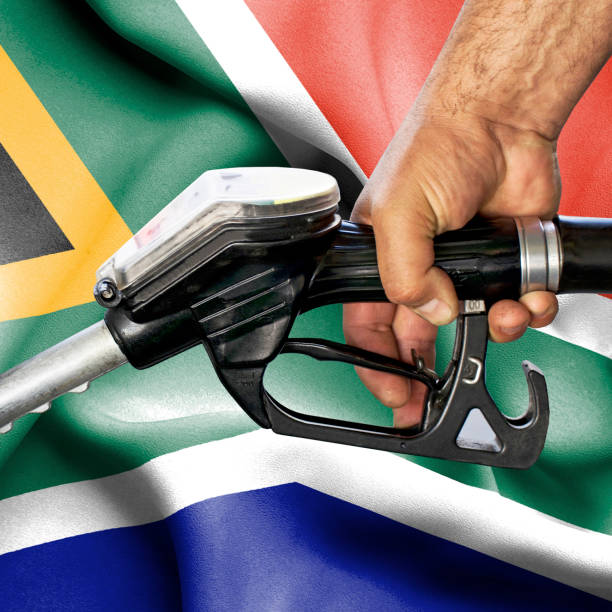
South Africans are demanding answers from policymakers as a new fuel hike takes effect tomorrow, increasing petrol and diesel costs just days before peak holiday travel begins. Unleaded 93 petrol is expected to rise by approximately R0.50 per litre, while diesel will climb by around R0.70 per litre, sparking frustration among motorists, consumer groups, and transport operators.
The December adjustment has amplified long-standing concerns about South Africa’s fuel-pricing model, with critics arguing that government taxes and levies make local pump prices significantly more volatile than international trends alone would justify.
What Happened?
The Department of Mineral Resources and Energy (DMRE) confirmed the fuel increases in its latest monthly adjustment. Officials attribute the hikes to a combination of external and internal factors, including elevated international oil prices, increased shipping costs, and a persistently weak rand.
Global markets have remained unstable in recent weeks due to supply cuts by OPEC+, ongoing Middle East tensions, and weakening global growth forecasts. These dynamics have pushed crude prices upward, increasing the cost of imported fuel. At the same time, the rand’s decline against the US dollar has magnified the impact.
But economists say there is more to the story.
South Africa’s fuel costs include multiple built-in taxes and levies—including the Road Accident Fund levy, general fuel levy, and wholesale margins—leading many motorists to question whether government policy is worsening the financial burden.
Public Frustration Grows Ahead of Festive Travel
The timing of the increase has amplified public anger.
December remains the most travel-intensive month in the country, with millions planning long-distance trips to coastal cities, family homes, and holiday destinations. Many households have already stretched their finances to accommodate festive spending, school closures, and end-of-year celebrations.
Transport user groups argue that the fuel hike will:
- Increase travel costs
- Push up taxi fares
- Reduce affordability for long-distance trips
- Impact long-distance bus ticket pricing
- Raise delivery and logistics fees during the holiday shopping season
For many, the combination of high fuel prices and weaker household earnings is creating a “perfect storm” of financial pressure.
Policy Concerns: How the Fuel Price Is Calculated
South Africa’s fuel price is determined via a regulated formula that includes the Basic Fuel Price (BFP), taxes, levies, retail margins, and transport costs. Critics argue that the formula has become outdated and overly sensitive to global fluctuations.
Key components include:
- General fuel levy
- Road Accident Fund levy
- Wholesale and retail margins
- Slate levy
- Transport and storage fees
- Customs and excise duties
These layered charges contribute significantly to the final price motorists pay at the pump.
Energy policy analysts say the BFP—designed decades ago—may no longer reflect modern global market realities. Some argue that South Africa could reduce volatility by revisiting its import-parity pricing structure and exploring alternative sources of fuel procurement.
Government Under Pressure: Call for Urgent Reform
Political parties and consumer protection groups have renewed their calls for immediate intervention. The DA, EFF, and several civil society organisations argue that South Africa cannot continue absorbing month-on-month increases without structural reform.
The Automobile Association (AA) released a statement noting that “government has long promised a comprehensive review of the fuel pricing model, yet no substantial progress has been made.”
The AA added that the current model is “punitive” for low-income households, who spend a higher percentage of their income on transport costs. With inflation still elevated and interest rates high, the December increases could worsen the cost-of-living crisis.
Impact on Transport Operators and Supply Chains
Transport operators across the country are preparing for operational disruptions. Long-distance bus operators, trucking companies, courier services, and taxi associations have all raised concerns.
For freight companies—especially those relying heavily on diesel—the increase significantly raises operational costs during the busiest month of the year. Many logistics companies will likely pass the increases onto customers, affecting retail prices during peak shopping weeks.
Taxi associations have warned that fare adjustments may be unavoidable if fuel prices continue rising into early 2025. For millions of commuters relying on public transport, this could increase the cost of everyday mobility.
Small businesses—particularly those offering deliveries, catering, and event services—will feel the pressure immediately.
Economic Outlook: Will Prices Drop in Early 2025?
Economists say it is too early to predict relief in the new year.
The outlook depends on several uncertain variables:
- Whether OPEC+ adjusts production targets
- Stability in the Middle East
- The direction of global inflation
- The rand’s performance against major currencies
- Global holiday-season shipping rates
- South Africa’s domestic energy policy decisions
If global markets stabilise and the rand strengthens, South Africa could see downward adjustments in the first quarter of 2025. However, prolonged instability would lead to sustained high fuel costs—further straining the economy.
Road Safety Concerns: More Pressure on Motorists
Traffic officials warn that the fuel hike may inadvertently increase road risks. Families forced to cut costs might:
- Delay essential vehicle maintenance
- Attempt long-distance trips with worn tyres
- Overload vehicles to reduce the number of journeys
- Drive extended hours to avoid accommodation expenses
These behaviours significantly increase accident risks, especially on busy routes like the N1, N2, N3, and N4.
Authorities have already launched festive-season road safety operations, deploying additional officers, roadblocks, and alcohol checkpoints nationwide.
Mauritius: Stable Prices but Watching Regional Impact
While Mauritius fuel prices remain unchanged, regional analysts say the island monitors developments in South Africa closely. As South Africa is a major tourism source market, any reduction in outbound travel due to fuel costs could influence hospitality and aviation sectors in Mauritius.
Moreover, global oil trends affect aviation fuel prices, indirectly raising costs for airlines servicing the island.
Mauritius’ steady fuel rates offer short-term stability, but long-term effects of global market volatility could still filter through.
What Happens Next?
Government has promised that consultations on fuel price reform will continue, but consumer groups say urgency is lacking. Analysts argue that South Africa needs a modernised pricing framework that:
- Reduces vulnerability to global shocks
- Lessens the burden on low-income households
- Promotes competitive fuel sourcing
- Ensures greater transparency in price-setting
Until meaningful changes are implemented, South Africans remain exposed to frequent and unpredictable increases.
Conclusion
The December fuel hike has intensified pressure on the government to overhaul South Africa’s fuel pricing structure. With petrol and diesel rising tomorrow, millions face higher travel, transport, and living costs just before the festive season. Unless structural reforms are prioritised, South Africans may continue facing monthly financial shocks at the pump.

 Malik Beeharry
 Saim Shahbaz