Transition énergétique en Afrique du Sud : 5 vérités sur l'avenir
Transition énergétique en Afrique du Sud : 5 vérités sur l'avenir
La transition énergétique en Afrique du Sud n'est plus une vision lointaine — elle se déroule en temps réel. Grâce à un prêt historique de 500 millions d'euros accordé par la banque allemande de développement KfW, le pays accélère son passage de la dépendance au charbon aux énergies renouvelables. Ce financement viendra directement soutenir le plan d'investissement Just Energy Transition (JET), dont l'objectif est de décarboner le secteur de l'énergie tout en protégeant les travailleurs et les communautés vulnérables.
Ce chantier représente l'un des défis les plus complexes et les plus urgents de notre époque. Il ne s'agit pas seulement de remplacer le charbon par le solaire et l'éolien — il faut repenser l'économie, garantir la justice sociale et bâtir un avenir durable. La réussite dépendra de la volonté politique, de la confiance du public et d'une planification à long terme.
Transition énergétique en Afrique du Sud : un tournant pour le secteur de l'énergie
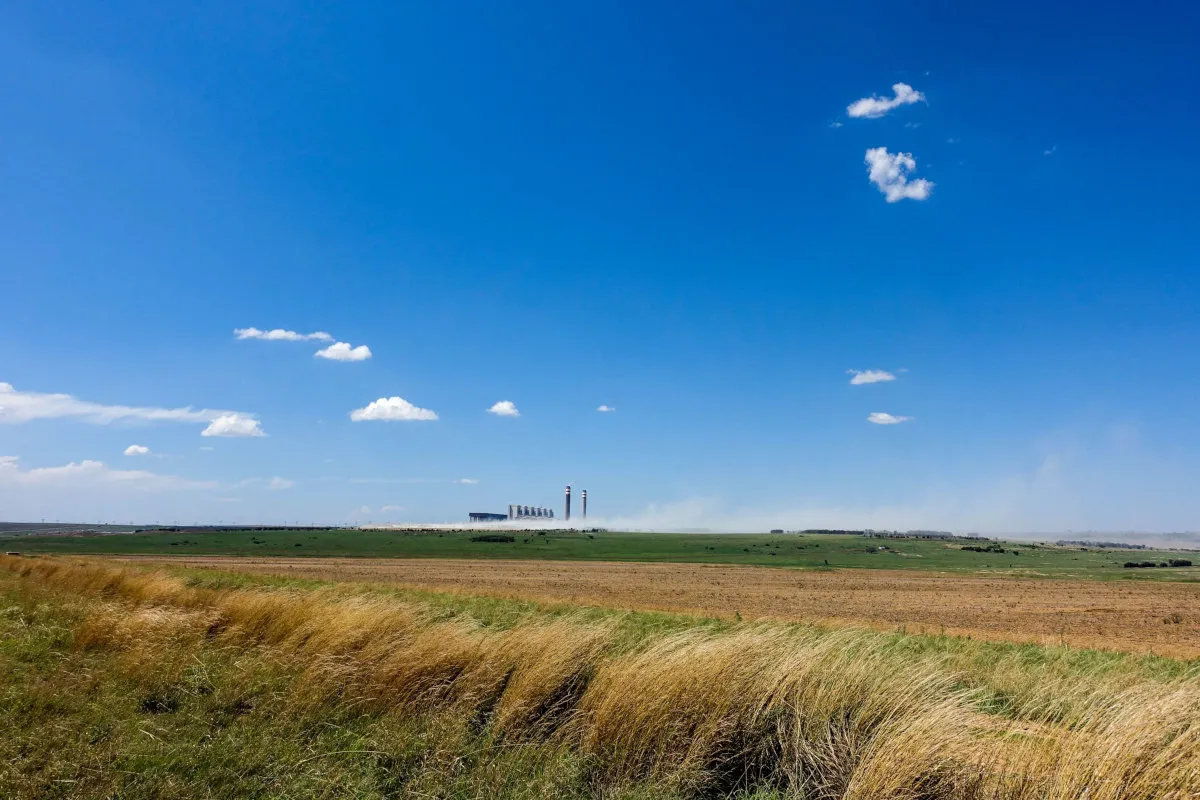
Pendant des décennies, le système énergétique sud-africain a été dominé par le charbon, Eskom exploitant certaines des plus grandes centrales à charbon du monde. Mais le vieillissement des infrastructures, la montée des émissions et les délestages persistants ont rendu le changement inévitable.
Le nouveau financement soutenu par l'Allemagne marque un tournant. Il servira à mettre hors service les centrales à charbon vétustes, à développer les capacités en énergies renouvelables et à moderniser le réseau national. L'objectif est de réduire les émissions de carbone de 46 % d'ici 2030 et d'atteindre la neutralité carbone d'ici 2050.
Pourquoi le plan JET est important
Le Just Energy Transition (JET) n'est pas qu'une stratégie environnementale — c'est un contrat social. Il reconnaît que si le charbon doit disparaître, les travailleurs et les communautés qui en dépendent ne doivent pas être abandonnés pour autant.
Comme le précise une note de politique publique du Government of South Africa – Just Energy Transition Portal, « La transition doit être juste, inclusive, et ne laisser personne de côté. »

Vérité n°1 : le charbon va reculer — mais pas du jour au lendemain
L'une des vérités les plus frappantes de la transition énergétique en Afrique du Sud, c'est que le charbon restera dans le mix énergétique encore de nombreuses années. Malgré la poussée vers les renouvelables, le pays ne peut pas se permettre de fermer toutes ses centrales à charbon immédiatement sans risquer d'aggraver les pénuries d'électricité.
La stratégie mise sur une sortie progressive : retirer d'abord les centrales les plus vieilles et les moins efficaces, tout en investissant dans des alternatives plus propres. D'ici 2032, Eskom prévoit de mettre hors service plus de 12 000 MW de capacité à charbon — mais il faudra du gaz et du stockage par batterie pour combler le vide.
Une sortie progressive est indispensable
Précipiter la transition pourrait déstabiliser le réseau. Une sortie du charbon maîtrisée et prévisible garantit la sécurité énergétique tout en laissant le temps aux nouvelles technologies et à la reconversion de la main-d'œuvre.
Vérité n°2 : les emplois verts sont l'avenir — mais la formation fait défaut
La transition énergétique en Afrique du Sud promet des dizaines de milliers de nouveaux emplois verts dans le solaire, l'éolien et l'efficacité énergétique. Cependant, beaucoup de ces postes nécessitent des compétences spécialisées que la main-d'œuvre actuelle ne possède pas.
Il y a un besoin urgent de programmes de reconversion à grande échelle, notamment pour les travailleurs du charbon. Sans investissement dans l'éducation et la formation professionnelle, la promesse d'une transition « juste » risque de n'être que du vent.
Combler le fossé des compétences
Des partenariats entre le gouvernement, l'industrie et les collèges techniques sont essentiels. Des programmes comme la Green Skills Academy au Cap offrent un modèle pour préparer les travailleurs aux emplois de demain.
Vérité n°3 : les communautés doivent être au cœur du processus
La réussite de la transition énergétique en Afrique du Sud dépend de l'adhésion du public. Dans les régions dépendantes du charbon comme le Mpumalanga et le Limpopo, la crainte des pertes d'emplois et du déclin économique est bien réelle.
Les communautés doivent participer aux prises de décision, et non être traitées comme de simples bénéficiaires passifs des politiques publiques. La propriété locale de projets d'énergie renouvelable — comme les fermes solaires communautaires — peut garantir un partage équitable des bénéfices.
De la résistance à la participation
Quand les gens voient des retombées concrètes — emplois, accès à l'électricité, investissements locaux — ils deviennent des défenseurs du changement. La transition doit être participative, transparente et responsable.
Vérité n°4 : les investissements affluent — mais il en faut davantage
Les 500 millions d'euros de l'Allemagne sont significatifs, mais ce n'est qu'un début. Le plan d'investissement JET estime qu'il faudra plus de 90 milliards de dollars sur la prochaine décennie pour financer entièrement la transition.
L'Afrique du Sud doit attirer davantage de financements climatiques internationaux, débloquer les investissements du secteur privé et améliorer la gouvernance pour s'assurer que les fonds sont utilisés efficacement.
Le rôle des partenariats internationaux
Les partenariats avec l'UE, la Banque mondiale et d'autres pays sont cruciaux. Cependant, les financements doivent s'accompagner de flexibilité et de respect de la souveraineté nationale — et non de conditionnalités qui compromettent les priorités locales.
Vérité n°5 : le réseau doit être modernisé
Les énergies renouvelables ne pourront pas exprimer leur plein potentiel sans un réseau moderne et flexible. Le réseau de transport d'électricité sud-africain est vétuste, centralisé et mal adapté à la production solaire et éolienne décentralisée.
Investir dans les réseaux intelligents, le stockage par batterie et les systèmes énergétiques décentralisés est indispensable pour éviter les goulots d'étranglement et garantir une fourniture d'électricité fiable.
Libérer l'énergie décentralisée
Permettre aux entreprises et aux ménages de produire, stocker et vendre de l'électricité démocratisera l'accès à l'énergie et réduira la dépendance à Eskom.
Conclusion : une transition juste est à portée de main
La transition énergétique en Afrique du Sud n'est pas seulement un défi technique — c'est un impératif moral et économique. Elle offre la possibilité de bâtir un système énergétique plus propre, plus équitable et plus résilient.
Mais la réussite exigera bien plus que de l'argent et de la technologie. Il faudra du leadership, de la transparence et un engagement en faveur de la justice. Si elle est bien menée, cette transition pourra alimenter non seulement les foyers, mais aussi l'espoir.
Pour aller plus loin sur la politique climatique en Afrique du Sud, lisez notre analyse : La stratégie climatique de l'Afrique du Sud – défis et opportunités.