 khaledadmin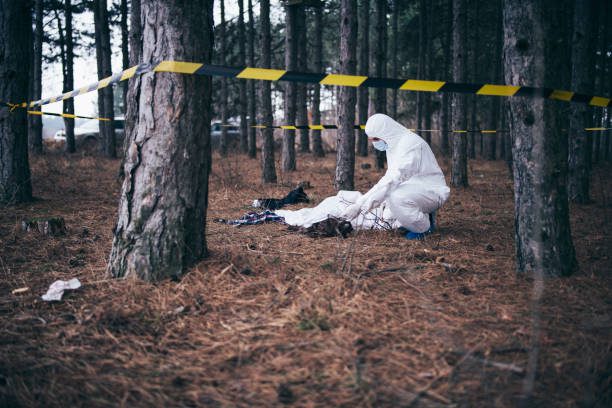
The tragic murder of popular DJ and TV presenter DJ Warras has cast a spotlight on rising urban crime in Johannesburg. Citizens and public figures are increasingly voicing concern over the safety of both residents and entertainers. Analysts warn that violent criminal activity in urban centers is becoming more organized and frequent, necessitating stronger policing measures, better community oversight, and urgent policy responses to curb this dangerous trend.
Rising Urban Crime Trends
Johannesburg has witnessed a disturbing surge in urban crime, with recent data indicating increases in armed robberies, shootings, and assaults in densely populated neighborhoods. According to the South African Police Service (SAPS), violent incidents have spiked in 2025 compared to previous years.
Experts attribute these increases to factors such as high unemployment, social inequality, and the operations of organized criminal syndicates. The murder of DJ Warras serves as a stark reminder of how these criminal elements can impact not just ordinary citizens but also prominent figures in the entertainment industry.
The DJ Warras Case as a Catalyst
The death of DJ Warras has become a symbol of the growing urban crime problem. Authorities are investigating the shooting while public outcry grows on social media and in local communities. Fans and colleagues of the late DJ have highlighted how this incident underscores the vulnerability of urban populations to criminal violence.
Security analysts argue that high-profile incidents often serve as catalysts for policy discussions, with DJ Warras’ murder potentially prompting a review of security measures for performers and high-risk neighborhoods.
Police and Government Response
The Johannesburg Police Department has pledged to intensify investigations into violent crimes and boost patrols in high-risk areas. A spokesperson stated:
“We recognize the urgent need to address rising urban crime. The investigation into DJ Warras’ murder is ongoing, and we are deploying additional resources to curb criminal activity.”
Government officials have also emphasized policy reforms, including stricter enforcement against organized crime, improved community policing programs, and enhanced collaboration between local authorities and private security firms.
Public Reaction and Calls for Action
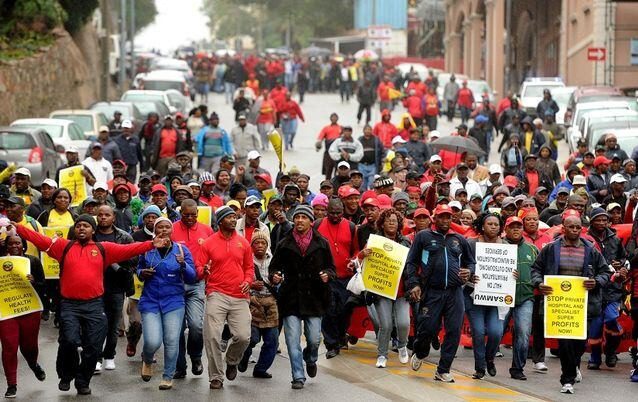
Residents and civil society organizations are demanding urgent interventions to reduce urban crime. Community leaders have called for increased street lighting, neighborhood watch initiatives, and engagement with law enforcement to make urban areas safer.
On social media, hashtags such as #UrbanCrimeSA, #SafetyJohannesburg, and #JusticeForDJWarras are trending. Citizens are sharing personal stories of crime and urging immediate action to prevent similar tragedies from happening again.
Expert Opinions on Urban Safety
Criminologists and security experts have emphasized the need for a multi-faceted approach to combat urban crime. Key recommendations include:
- Strengthening community policing and law enforcement presence.
- Addressing socio-economic factors contributing to crime, such as unemployment and poverty.
- Implementing urban planning strategies that increase visibility and reduce hidden crime spots.
- Introducing programs that engage youth in constructive activities to reduce susceptibility to criminal networks.
Experts warn that without immediate and coordinated action, incidents like the murder of DJ Warras may continue, further eroding public confidence in urban safety measures.
Media Coverage and Awareness
Media outlets across South Africa are highlighting the escalating urban crime issue, using the murder of DJ Warras as a focal point. News reports, opinion pieces, and analyses stress the urgency of implementing preventive measures.
Journalists and commentators note that frequent coverage of high-profile crimes helps raise awareness but also increases public anxiety. The challenge is to balance reporting with actionable solutions, fostering a safer environment without causing panic.
Community Initiatives and Preventive Measures
Several community-based organizations are stepping in to mitigate the risks of urban crime. Initiatives include neighborhood patrol groups, youth mentorship programs, and public awareness campaigns about safety protocols.
Urban planners are also collaborating with local authorities to enhance infrastructure, such as CCTV installations, improved street lighting, and safer public spaces. These measures aim to reduce crime opportunities while increasing public confidence in local governance.
What Happens Next
Authorities are expected to continue investigations into DJ Warras’ murder while simultaneously reviewing strategies to address rising urban crime in Johannesburg. Policy discussions, public forums, and security briefings are anticipated in the coming weeks to formulate actionable solutions.
Law enforcement officials have stressed the importance of public cooperation, encouraging citizens to report suspicious activity and participate in neighborhood safety initiatives. The government’s approach will likely combine both immediate enforcement and long-term crime prevention strategies.
Conclusion
The murder of DJ Warras has highlighted the pressing issue of urban crime in Johannesburg. Public figures, authorities, and citizens are calling for stronger security measures and effective crime prevention strategies. Addressing rising crime rates will require coordinated efforts across government agencies, law enforcement, community organizations, and residents. The tragedy serves as a stark reminder of the urgent need for urban safety reforms to protect all South Africans from violent crime.