
 admin
admin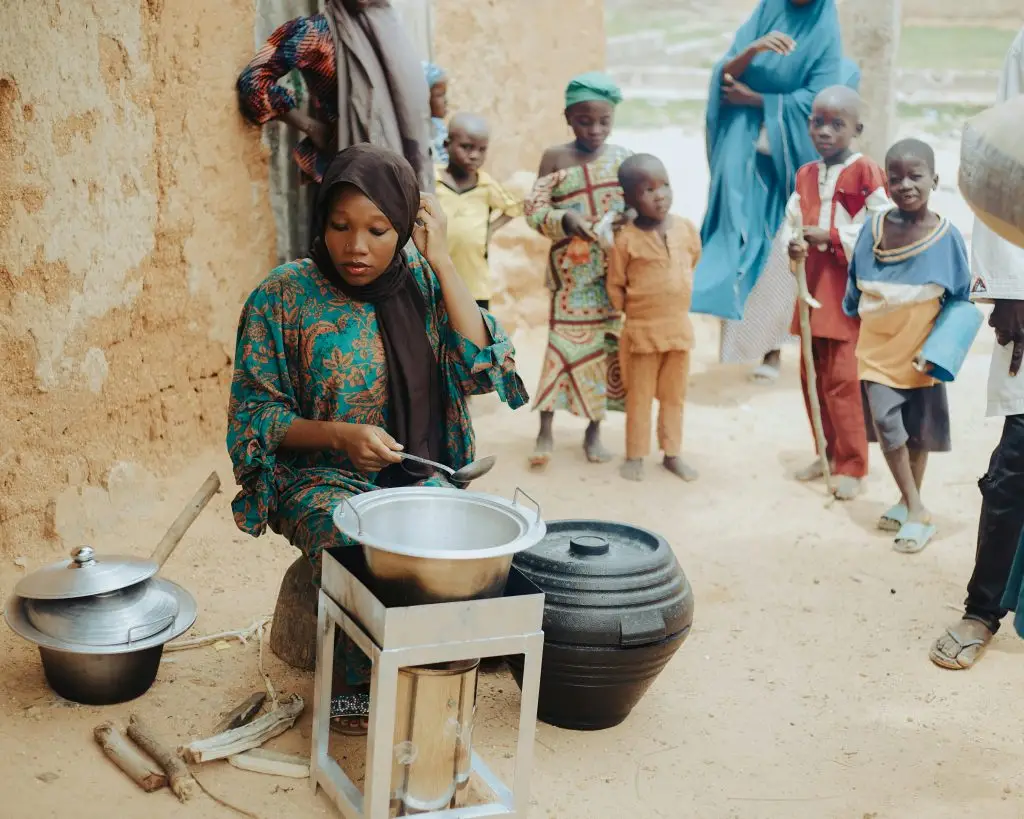
Introduction
Somalia is on the edge of a major humanitarian disaster. Aid reductions are forcing the WFP to scale back emergency food programs, leaving hundreds of thousands without life-saving support. Combined with conflict, drought, and displacement, the Somalia hunger crisis is escalating rapidly.
Humanitarian Emergency Overview
Nearly half of Somalia’s population needs assistance. Rural families relying on farming and livestock are most vulnerable. Children under five face the highest malnutrition rates, and health facilities report a surge in severe cases.
Key Drivers of the Crisis
1. Funding Shortfalls
Aid cuts limit the reach of essential food and nutrition programs.
2. Prolonged Conflict
Decades of instability disrupt food production and restrict aid access.
3. Climate Shocks
Droughts and floods devastate crops, livestock, and livelihoods.
4. Economic Pressures
High food prices and market instability make essentials unaffordable.
Impact on Families
Families are forced to skip meals, sell possessions, and withdraw children from school. Without intervention, Somalia could face famine reminiscent of 2011’s catastrophic losses.
Response Efforts
UN Initiatives
WFP, UNICEF, and FAO deliver food, nutrition, and water, while supporting community resilience programs.
International and Regional Support
Global donors and African nations are called to restore funding and strengthen humanitarian operations.
Local Actions
NGOs and community groups distribute aid and provide health services in hard-to-reach areas.
Sustainable Solutions
Promoting drought-resistant agriculture, education, and infrastructure reduces future dependency on emergency aid.
Global Call to Action
- Funding: Urgently restore financial aid.
- Awareness: Advocacy mobilizes support.
- Climate Resilience: Support sustainable farming and water initiatives.
Hope Amid Crisis
Somali communities continue to show resilience — from rebuilding farmland to organizing food-sharing networks. With proper support, recovery and food security are achievable.
Conclusion
Immediate international action is vital to prevent famine. Sustained aid, development programs, and global solidarity can ensure Somalia’s people survive and thrive.
FAQs
- Why is Somalia facing hunger?
Conflict, drought, and aid shortages. - Who is most affected?
Women, children, and rural communities. - What is WFP doing?
Providing emergency food, nutrition, and water support. - How can global donors help?
Increase funding and support sustainable agriculture. - Can the crisis be resolved?
Yes, with immediate aid and long-term development.

 Malik Beeharry
 Saim Shahbaz