Introduction
La Somalie est au bord d'une catastrophe humanitaire majeure. Les réductions d'aide contraignent le PAM à réduire ses programmes d'urgence alimentaire, laissant des centaines de milliers de personnes sans soutien vital. Entre conflits, sécheresse et déplacements de population, la crise de la faim en Somalie s'aggrave à grande vitesse.
Vue d'ensemble de l'urgence humanitaire
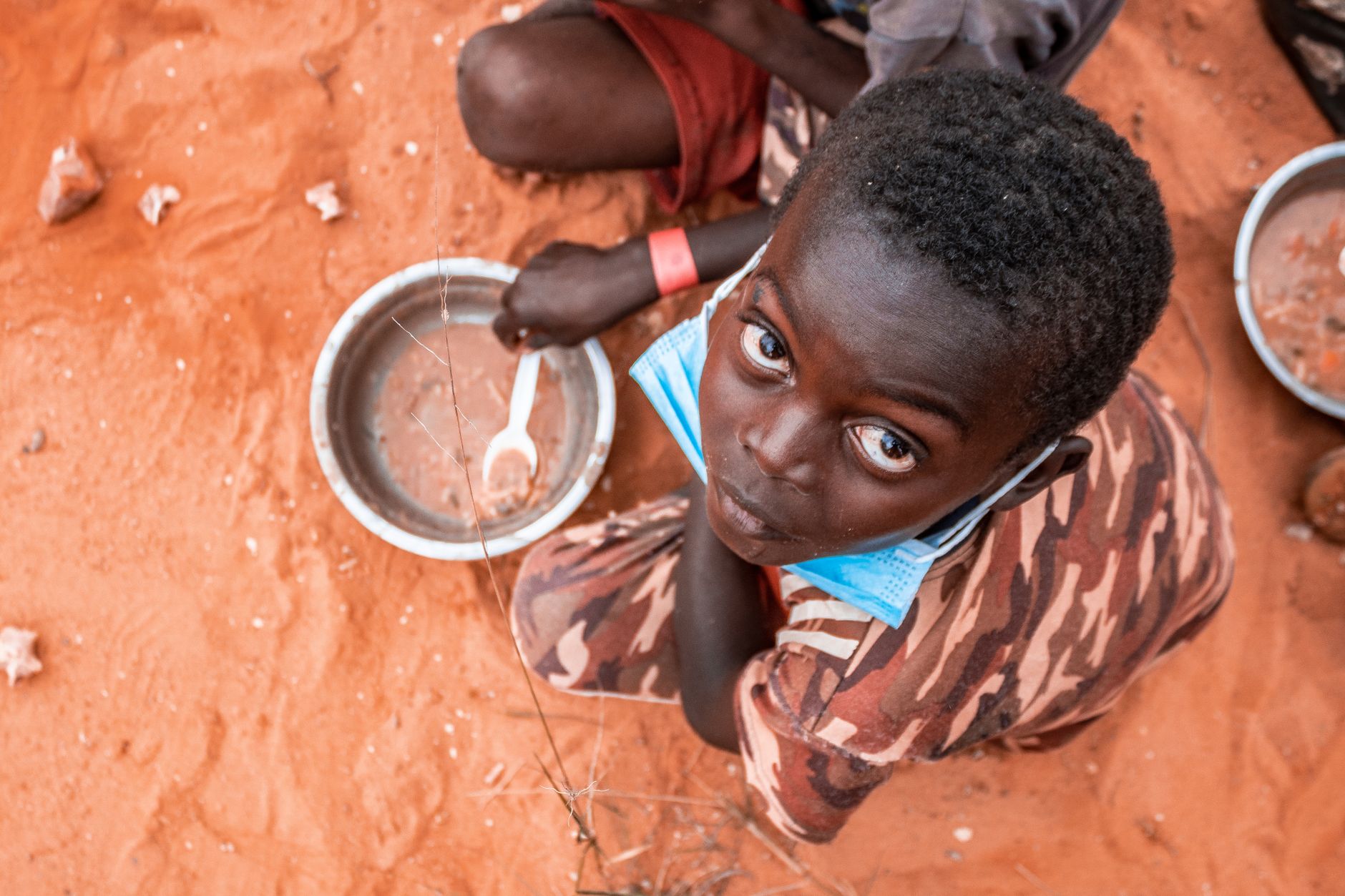
Près de la moitié de la population somalienne a besoin d'aide. Les familles rurales qui vivent de l'agriculture et de l'élevage sont les plus exposées. Les enfants de moins de cinq ans affichent les taux de malnutrition les plus élevés, et les centres de santé signalent une hausse marquée des cas graves.
Les principales causes de la crise
1. Manque de financement
Les coupes dans l'aide limitent la portée des programmes essentiels d'alimentation et de nutrition.
2. Un conflit qui dure depuis des décennies
Des décennies d'instabilité perturbent la production alimentaire et freinent l'acheminement de l'aide.
3. Chocs climatiques
Sécheresses et inondations ravagent les récoltes, le bétail et les moyens de subsistance.
4. Pressions économiques
La hausse des prix alimentaires et l'instabilité des marchés rendent les produits de base inaccessibles.
Les conséquences pour les familles
Des familles entières sont obligées de sauter des repas, de vendre leurs biens et de retirer leurs enfants de l'école. Sans intervention, la Somalie pourrait connaître une famine comparable à celle de 2011, qui avait causé des pertes humaines catastrophiques.
Les efforts de réponse
Les initiatives de l'ONU
Le PAM, l'UNICEF et la FAO assurent la distribution de nourriture, de compléments nutritionnels et d'eau, tout en appuyant des programmes de résilience communautaire.
Soutien international et régional
Les donateurs internationaux et les pays africains sont appelés à rétablir les financements et à renforcer les opérations humanitaires.
Actions locales
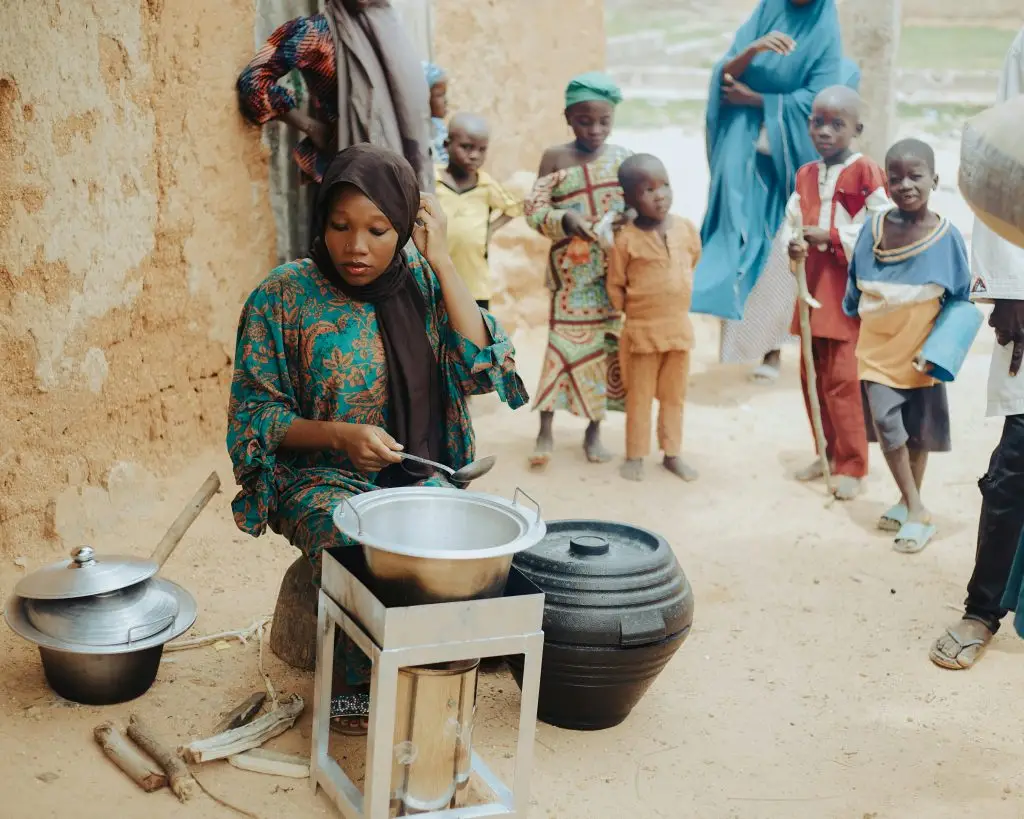
Des ONG et des groupes communautaires distribuent de l'aide et offrent des services de santé dans les zones difficiles d'accès.
Solutions durables
Encourager une agriculture résistante à la sécheresse, investir dans l'éducation et dans les infrastructures : autant de pistes pour réduire la dépendance à l'aide d'urgence à l'avenir.
Appel mondial à l'action
- Financement : Rétablir d'urgence l'aide financière.
- Sensibilisation : Le plaidoyer permet de mobiliser des soutiens.
- Résilience climatique : Soutenir l'agriculture durable et les initiatives pour l'eau.
Un espoir malgré la crise
Les communautés somaliennes continuent de faire preuve de résilience — que ce soit en remettant en état des terres agricoles ou en organisant des réseaux de partage alimentaire. Avec un soutien adéquat, le redressement et la sécurité alimentaire restent atteignables.
Conclusion
Une action internationale immédiate est indispensable pour éviter la famine. Une aide soutenue, des programmes de développement et une solidarité mondiale peuvent permettre au peuple somalien de survivre et de s'en sortir.
FAQs
- Pourquoi la Somalie fait-elle face à la faim ?
En raison des conflits, de la sécheresse et du manque d'aide. - Qui est le plus touché ?
Les femmes, les enfants et les communautés rurales. - Que fait le PAM ?
Il fournit une aide d'urgence en nourriture, en nutrition et en eau. - Comment les donateurs internationaux peuvent-ils aider ?
En augmentant les financements et en soutenant l'agriculture durable. - La crise peut-elle être résolue ?
Oui, avec une aide immédiate et un développement à long terme.