 khaledadmin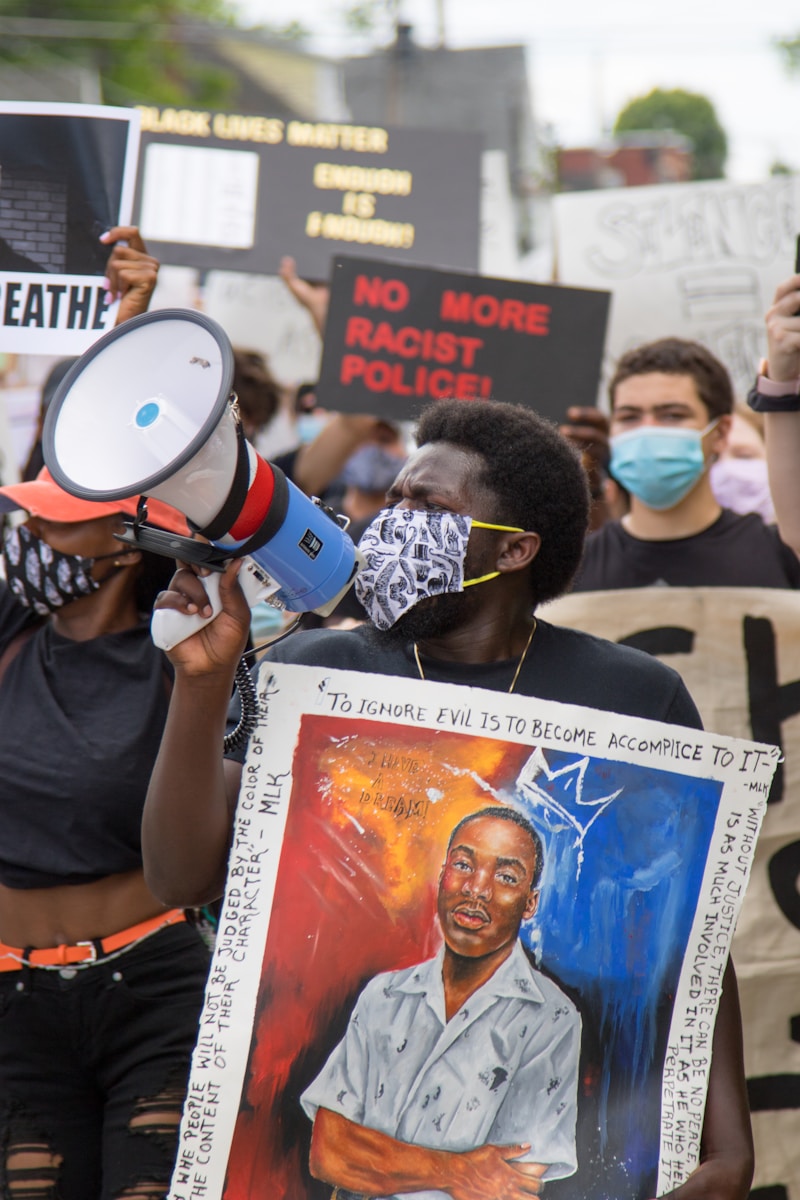
Kenya lawfare protest crackdown: Citizens silenced through legal abuse. Discover 5 powerful truths about justice, dissent, and governance in Kenya.
Kenya Lawfare Protest Crackdown: 5 Powerful Truths Behind the Silence
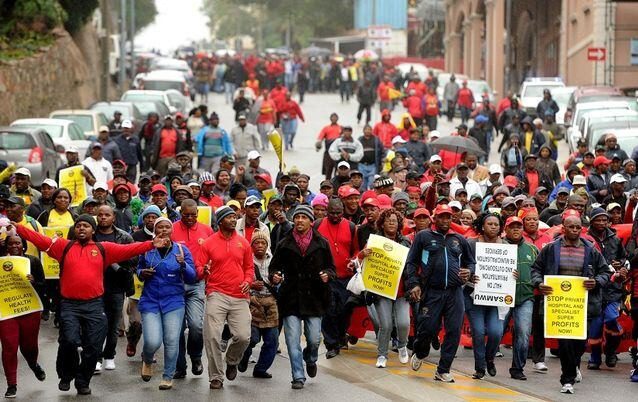
In the quiet town of Naivasha, on the shores of Lake Naivasha, a chilling incident unfolded last month that has since sparked national outrage. Kevin Njoroge, a worker at a flower farm, was arrested without warning by a group of police officers as he walked home after a long shift. He was detained, questioned, and ultimately imprisoned not for a violent crime, not for theft, but for allegedly participating in protests against rising living costs and government policies.
This case is not isolated. It is part of a growing pattern now being described by activists, lawyers, and civil society as “lawfare” the systematic weaponization of the legal system to intimidate, silence, and punish political dissent. The Kenya lawfare protest crackdown has become a defining issue in the country’s struggle for democratic space and human rights.
Kenya Lawfare Protest Crackdown: When Justice Becomes a Weapon
The term “lawfare” refers to the misuse of legal procedures arrests, charges, court orders, and prolonged detention , not to uphold the rule of law, but to undermine it. In Kenya, reports are mounting of peaceful protesters, student leaders, and journalists being charged with sedition, terrorism, or public disorder for expressing criticism or organizing demonstrations.
Kevin Njoroge’s arrest exemplifies this trend. He was not caught in violence. He was not inciting unrest. Yet, he was treated as a threat to national security. His detention sends a clear message: dissent will not be tolerated, even when it is peaceful and constitutionally protected.
When the Law Protects Power, Not People
As highlighted in Mauritius Times – The issue with parliamentary pensions is not whether they’re contributory, but the age of eligibility, “Government must act to show that the same criteria apply equally to all.” Similarly, justice should not be selective , it should protect every citizen, not just the interests of those in power.
Truth #1: Arrests Are Being Used to Spread Fear
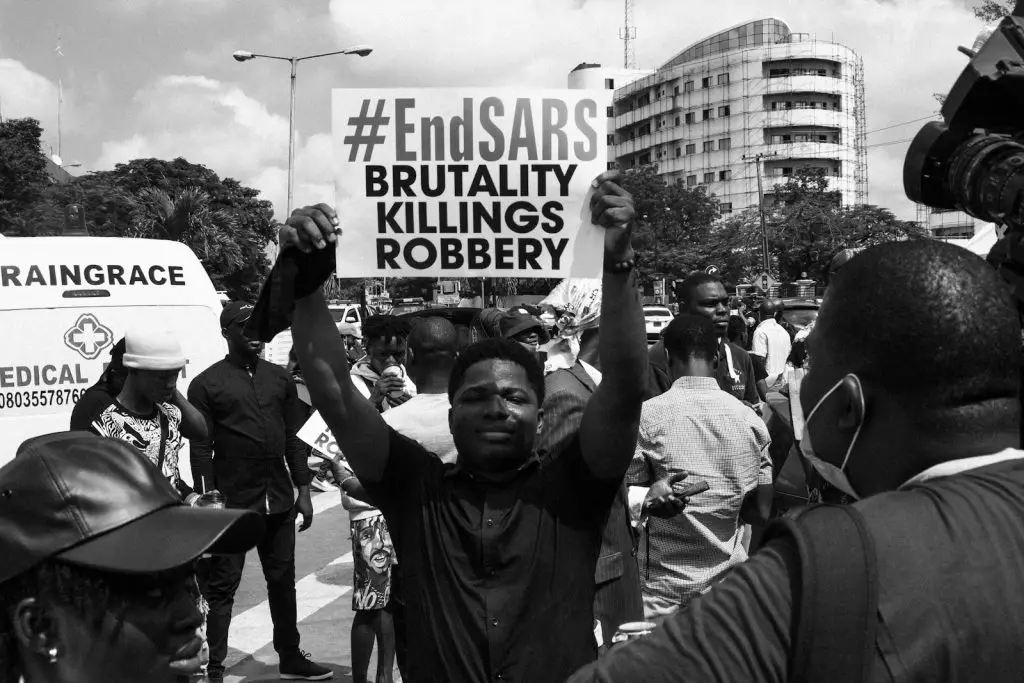
One of the most powerful truths about the Kenya lawfare protest crackdown is that the goal is not just to punish individuals , it’s to deter millions. When a flower farm worker is jailed for speaking out, others think twice before joining a protest or sharing a critical post online.
This climate of fear undermines democracy. A healthy nation does not silence its citizens , it listens to them.
Freedom of Expression Is Not a Crime
As seen in other global issues from Queen kaMayisela’s attempt to interdict a royal wedding to Archbishop Makgoba rejecting fake news when institutions are used to suppress truth, public trust erodes.
Truth #2: The Judiciary Is Under Pressure
The independence of the judiciary is a cornerstone of democracy. Yet, in cases linked to protests and dissent, courts are increasingly being asked to process politically motivated charges. While many judges uphold the law fairly, the sheer volume of such cases risks normalizing the abuse of legal processes.
The Kenya lawfare protest crackdown threatens not just protesters, but the integrity of the entire justice system.
When Courts Become Tools, Not Guardians
As noted in SABC News – The man suspected to have abducted and raped two nurses has been arrested, “Public trust is fragile and it must be earned.” The same applies to the judiciary: if people believe courts serve the government, not the people, legitimacy is lost.
Truth #3: Economic Grievances Are Being Criminalized
Many of the protests in Kenya stem from real, urgent issues: inflation, unemployment, corruption, and lack of access to basic services. When citizens march to demand change, they are exercising their democratic rights not committing crimes.
The Kenya lawfare protest crackdown reveals a dangerous shift: instead of addressing root causes, authorities are treating symptoms with handcuffs and court summonses.
Poverty Should Not Be Policed , It Should Be Solved
When a worker protests because he can’t afford bread, the answer is not prison , it’s policy reform.
Truth #4: Civil Society Is Fighting Back
Despite the risks, human rights organizations, lawyers, and media outlets continue to document abuses and defend the accused. Legal aid groups have taken up cases like Kevin Njoroge’s, challenging unlawful detentions and demanding accountability.
The Kenya lawfare protest crackdown has galvanized a movement for justice one that refuses to stay silent in the face of intimidation.
Courage Is Contagious
As highlighted in Mauritius Times – The issue with parliamentary pensions is not whether they’re contributory, but the age of eligibility, “The issue with accountability is not whether systems exist, but whether they are enforced.” Civil society is enforcing that accountability one case at a time.
Truth #5: This Is a Test of Kenya’s Democracy
The Kenya lawfare protest crackdown is not just about one arrest , it’s about the future of the nation. Will Kenya remain a country where citizens can speak freely, assemble peacefully, and demand better governance? Or will it slide into a system where criticism is treated as treason?
The world is watching. And so are Kenya’s youth, students, workers, and farmers the very people who built the nation’s democratic foundations.
Democracy Dies in Silence , But It Can Be Reborn in Resistance
When a flower farm worker stands up for his rights, he is not just fighting for himself , he is fighting for all of us.
Conclusion: A Call to Defend Democratic Space
The Kenya lawfare protest crackdown is more than a security issue , it is a moral and constitutional crisis. It forces Kenya to confront a fundamental question: Who does the law serve?
If the answer is “the people,” then arrests like Kevin Njoroge’s must end. Legal reforms must be introduced. And leaders must understand that dissent is not a threat , it is a vital part of a living democracy.
For deeper insights on governance and civil rights, read our analysis: Good Governance in Africa – Challenges and Solutions.