 khaledadmin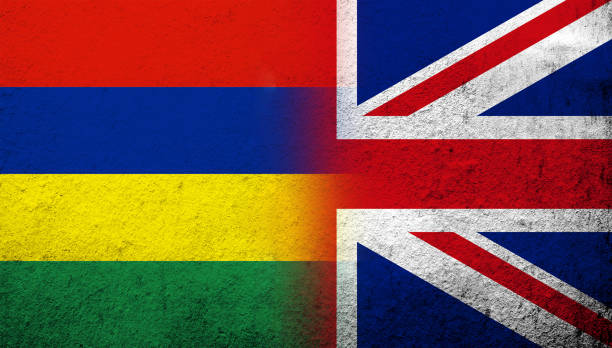
The decades-long Chagos Dispute has reached a critical juncture as a court issued a temporary injunction stopping the United Kingdom from transferring the Chagos Islands to Mauritius. Activists Bertrice Pompe and Bernadette Dugasse successfully argued that the planned handover violated the rights of the displaced islanders, drawing renewed international attention to this enduring conflict over sovereignty, justice, and human rights.
What Happened?
The South African court ruling prevents the formal transfer of the Chagos Archipelago until a comprehensive hearing can assess the rights of the displaced Chagossians. This injunction underscores the ongoing legal and ethical complexities surrounding the islands, which have been the subject of intense diplomatic negotiations between the UK and Mauritius.
The Chagossians were forcibly removed in the 1960s and 1970s to make way for a US-UK military base on Diego Garcia. Since then, they have fought for the right to return and proper compensation, making this court decision a significant milestone in their struggle.
Historical Context of the Chagos Dispute
The Chagos Dispute involves multiple layers, including sovereignty claims, strategic military interests, and human rights concerns:
- Location: Indian Ocean, Diego Garcia as the central island
- Displacement: Chagossians were relocated to Mauritius and Seychelles
- Sovereignty Claim: Mauritius asserts its right to the islands, backed by UN resolutions
- Human Rights: Chagossians continue advocating for return and recognition
The temporary injunction highlights the enduring tension between historical injustices and contemporary diplomatic efforts.
Details of the Legal Ruling
Activists Bertrice Pompe and Bernadette Dugasse presented evidence showing that the UK’s transfer plan did not properly account for the Chagossians’ rights.
Key points of the court decision include:
- Halts UK-Mauritius Transfer: No handover may occur until a full judicial review
- Acknowledges Human Rights Issues: The ruling recognizes the impact of forced displacement
- Prepares for Further Legal Action: UK government may appeal or contest the injunction
Legal analysts note that temporary injunctions are typical in disputes involving sovereignty and indigenous rights, signaling the need for careful balancing of political, legal, and humanitarian considerations.
Official Statements
From Chagossian Activists
Bertrice Pompe stated:
“This ruling is a vital step toward justice for our community. We hope the court fully considers our rights and our history.”
UK Government Response
A spokesperson for the UK Foreign Office commented:
“We respect the court’s decision and remain committed to working with Mauritius toward a resolution that considers all parties involved.”
Mauritius Reaction
Officials in Mauritius expressed disappointment but reaffirmed their sovereignty claims:
“The temporary injunction delays progress, yet Mauritius remains firm in its rightful claim to the Chagos Archipelago.”
Social Media Response
The injunction generated significant attention on social media, with hashtags like #ChagosDispute trending. Supporters hailed the court’s acknowledgment of Chagossian rights, while some users criticized ongoing delays in resolving the sovereignty issue.
Popular reactions included:
- “A long-overdue recognition of the Chagossians’ rights! #JusticeForChagos”
- “The UK must respect human rights in all its negotiations. #ChagosDispute”
- “Another twist in this decades-long saga, but hope remains alive.”
The online reaction highlights the global interest and emotional resonance of this dispute.
Geopolitical Implications
The Chagos Islands are strategically important, hosting a US-UK military base on Diego Garcia. Experts warn that delays from legal disputes could have implications for military planning and diplomatic relations:
- UK-Mauritius Relations: Negotiations may face new challenges
- International Oversight: UN and human rights organizations continue monitoring
- Strategic Significance: Diego Garcia remains a crucial base for defense operations
Analysts stress that resolving this dispute requires balancing sovereignty, human rights, and strategic concerns.
Next Steps in the Dispute
Following the temporary injunction, the Chagos Dispute will likely follow these legal and diplomatic steps:
- Full Court Hearing: Comprehensive review of rights violations claims
- Evidence Submission: Both sides present documentation and testimony
- Potential Appeals: UK may challenge the injunction in higher courts
- International Monitoring: UN and rights organizations may weigh in
The case is expected to continue attracting international attention as both human rights and diplomatic issues converge.
Conclusion
The Chagossians’ temporary victory in court underscores the enduring complexities of the Chagos Dispute. While the UK’s planned transfer to Mauritius is on hold, the ruling emphasizes the importance of considering historical injustices and human rights alongside diplomatic negotiations.
As the legal proceedings advance, the world will be watching closely, balancing the geopolitical significance of the islands with the need for justice for the displaced Chagossians. This case illustrates how long-standing conflicts can persist for decades, highlighting the ongoing struggle for fairness and recognition.