 khaledadmin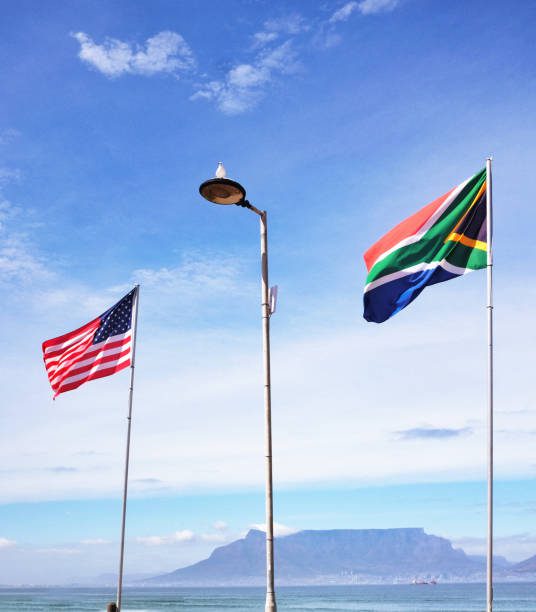
The potential imposition of AGOA Sanctions has stirred concern in South Africa after US Senator John Kennedy publicly called the nation an “enemy” of the United States. Kennedy is advocating for the removal of South Africa from the African Growth and Opportunity Act (AGOA), citing foreign policy disagreements and perceived misalignment with US strategic interests.
If enacted, AGOA Sanctions would significantly affect South Africa’s export economy, potentially disrupting trade in critical sectors such as agriculture, wine, and automotive manufacturing.
What Are the AGOA Sanctions?
The proposed AGOA Sanctions would:
- Strip South Africa of duty-free access to the US market.
- Introduce tariffs on goods that previously enjoyed preferential treatment.
- Signal broader US disapproval of South Africa’s foreign policy choices.
“AGOA Sanctions are necessary to hold nations accountable when their policies conflict with US interests,” Kennedy said.
The move is part of a broader Republican effort to tie trade benefits to political alignment.
Economic Implications of AGOA Sanctions
Excluding South Africa from AGOA benefits could have severe repercussions:
- Exports at Risk: Goods shipped to the US may face tariffs up to 35%, reducing competitiveness.
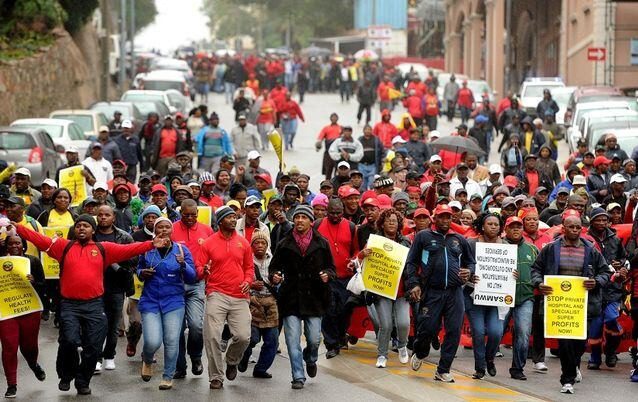
- Job Losses: Thousands of workers in affected industries could lose employment.
- Investor Confidence: International companies may reconsider investments in South Africa due to heightened trade risk.
“AGOA Sanctions could destabilize several South African sectors, particularly those heavily dependent on US exports,” said trade analyst Pieter van der Merwe.
Even temporary sanctions could ripple across the economy, affecting supply chains and production schedules.
Political Context in the US
Kennedy’s push for AGOA Sanctions reflects deeper US political priorities:
- Linking trade benefits to alignment with American foreign policy.
- Pressuring the Biden administration to adopt a tougher stance toward countries perceived as non-aligned.
- Addressing domestic constituents who favor stricter oversight of international trade programs.
Political analyst Linda Matthews noted, “This is a strategic attempt to use economic leverage to influence foreign policy.”
South African Response
The South African government condemned Kennedy’s statements and potential AGOA Sanctions as:
- Politically motivated and unjustified.
- Threatening a trade program that has benefited both nations.
- Likely to harm ordinary citizens dependent on trade-generated employment.
“AGOA Sanctions would undermine decades of mutually beneficial trade and economic cooperation,” said Trade Minister Thabo Mokoena.
The South African Chamber of Commerce urged continued dialogue rather than punitive measures.
Global and Diplomatic Repercussions
The proposal of AGOA Sanctions could have wider international implications:
- Diplomatic Tensions: US-South Africa relations may worsen, affecting collaborations in multilateral forums.
- Regional Consequences: Neighboring countries may adjust their trade policies in response to US signals.
- Market Uncertainty: Global investors could perceive South Africa as a higher-risk environment for trade.
Economist Joseph Nkosi warned, “AGOA Sanctions could set a dangerous precedent for other African nations relying on US trade agreements.”
Social Media and Public Response
The announcement of potential AGOA Sanctions generated significant discussion online:
- Americans supporting Kennedy praised the hardline stance.
- South Africans criticized the labeling of their country as an “enemy.”
- Trade professionals highlighted the economic risks and uncertainty.
Communications expert Thandiwe Maseko said, “Social media reaction underscores the sensitivity surrounding trade and diplomatic measures.”
Next Steps
- Congressional Review: Kennedy’s proposal must pass through committees for discussion and potential vote.
- Diplomatic Engagement: South Africa is expected to negotiate to protect its AGOA benefits.
- Monitoring: Businesses and trade analysts are preparing contingency strategies in case sanctions are enacted.
Authorities advise exporters to explore alternative markets to mitigate potential disruptions.
Historical Context of AGOA
- AGOA has facilitated US-Africa trade since 2000.
- South Africa has been a significant beneficiary, particularly in manufacturing, agriculture, and technology.
- Imposition of AGOA Sanctions would mark a major shift in the longstanding trade relationship.
“The economic and diplomatic implications of AGOA Sanctions cannot be overstated,” said trade consultant Lindiwe Khumalo.
Conclusion
The looming AGOA Sanctions initiative reflects growing US criticism of South Africa’s foreign policy stance. While Kennedy frames the sanctions as a tool to ensure political alignment, the economic impact could be substantial, affecting exports, employment, and investor confidence.
South Africa faces a critical moment to engage diplomatically and protect its trade benefits. The unfolding situation underscores the intricate connection between foreign policy, political strategy, and international trade, emphasizing the importance of proactive planning for potential economic disruptions.