 khaledadmin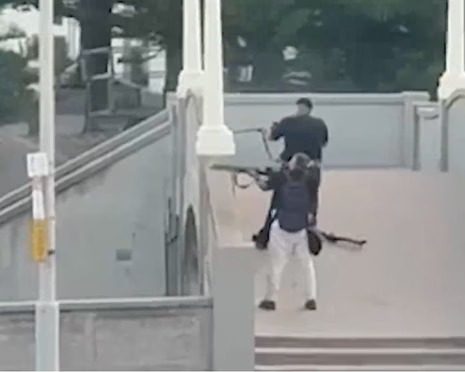
The Bondi Security situation came under intense scrutiny following the tragic December 14, 2025, attack at Sydney’s Bondi Beach Hanukkah festival “Chanukah by the Sea.” A father-and-son duo, Sajid Akram (50) and Naveed Akram (24), carried out a terrorist attack, killing 15 people, including a child and Rabbi Eli Schlanger, and injuring over 40 others.
Authorities disarmed two improvised explosive devices linked to the attackers’ vehicle. A heroic bystander tackled one gunman, likely preventing further fatalities. This incident is now recognized as Australia’s deadliest antisemitic attack since 1996.
Emergency Response and Immediate Measures
Police and emergency services acted swiftly:
- Police secured the area, neutralized the threat, and assisted with evacuation.
- Paramedics delivered urgent medical care and transported victims to hospitals.
- Civilians helped children and elderly attendees to safety.
“Rapid action by authorities and civilians likely saved many lives,” said a witness.
The Bondi Security lapse raised questions about preparedness for large public events.
Victims and Community Mourning
The attack caused devastating casualties:
- Children, adults, and religious leaders were among the deceased.
- Families grieve while survivors cope with trauma.
- Vigils and memorials were organized across Sydney.
“We stand with the victims’ families and condemn this act of hate,” said Rabbi Mendel Weiss.
Authorities emphasized mental health support alongside physical recovery.
Government Response and Security Measures
Prime Minister Anthony Albanese condemned the attack as “pure evil antisemitism” and outlined immediate measures to improve Bondi Security:
- Enhanced security protocols for public and religious gatherings.
- Stricter gun control legislation.
- Increased resources for emergency services during mass casualty incidents.
“We are committed to ensuring public safety and preventing future tragedies,” Albanese said.
Officials are collaborating with community leaders for long-term protective measures.
Eyewitness Accounts and Heroism
Survivors recounted acts of bravery during the attack:
- Parents shielded children while fleeing gunfire.
- Civilians intervened to restrain attackers, preventing further deaths.
- Emergency responders delivered life-saving care amid chaos.
“Even in terror, acts of heroism emerged,” said one survivor.
These stories highlight the importance of preparedness and community vigilance.
Psychological Impact on Survivors
Mental health professionals warn of long-term trauma:
- Survivors may experience PTSD, anxiety, and depression.
- Children who witnessed the violence are particularly vulnerable.
- Counseling programs and support networks are expanding.
“Psychological care is crucial for those affected by the Bondi Security breach,” said Dr. Hannah Cooper, clinical psychologist.
Authorities encourage survivors to access mental health services and support networks.
Security Lessons and Preventive Measures
The attack emphasizes the need for robust Bondi Security protocols:
- Public events must implement proper security measures and emergency response plans.
- Civilian awareness and readiness are essential to minimize casualties.
- Coordination between emergency services, volunteers, and organizers is critical.
“Preparedness and vigilance save lives, as demonstrated during this attack,” said national security advisor Michael Johnson.
Australia is reviewing public safety protocols, gun laws, and terrorism prevention measures.
Global Response
The Bondi Security failure drew worldwide attention:
- International Jewish organizations and governments expressed solidarity.
- Media coverage highlighted the human toll and antisemitic motivations.
- Social media amplified survivor stories and encouraged support for victims’ families.
“The world mourns with Sydney and condemns this horrific attack,” said a spokesperson for the International Jewish Council.
Global focus reinforces the importance of addressing antisemitic violence and improving public safety.
Community Recovery and Resilience
Despite the tragedy, Sydney’s community shows resilience:
- Vigils, counseling, and memorials support recovery for survivors and families.
- Community programs focus on trauma recovery, safety awareness, and resilience.
- Survivors share stories of courage and solidarity to inspire hope.
“Even in tragedy, community unity and strength prevail,” said community leader Miriam Cohen.
Recovery highlights the importance of government support, community solidarity, and mental health resources.
Looking Ahead
The Bondi Security lapse underscores the importance of preventive measures and preparedness:
- Strengthened security protocols for public gatherings and religious events.
- Legislative reforms addressing gun control and domestic terrorism.
- Long-term mental health care for survivors and witnesses.
- Public education on emergency response procedures.
Authorities remain committed to preventing similar attacks while supporting victims’ families.
Conclusion
The Bondi Security failure during the December 14 attack resulted in 16 deaths and 40+ injuries, leaving Sydney and Australia in mourning. Heroic interventions by civilians and emergency responders prevented further casualties.
Government action, community resilience, and international support underscore the importance of security preparedness, emergency response, and mental health resources. The tragedy highlights the need to protect vulnerable communities against antisemitic violence.