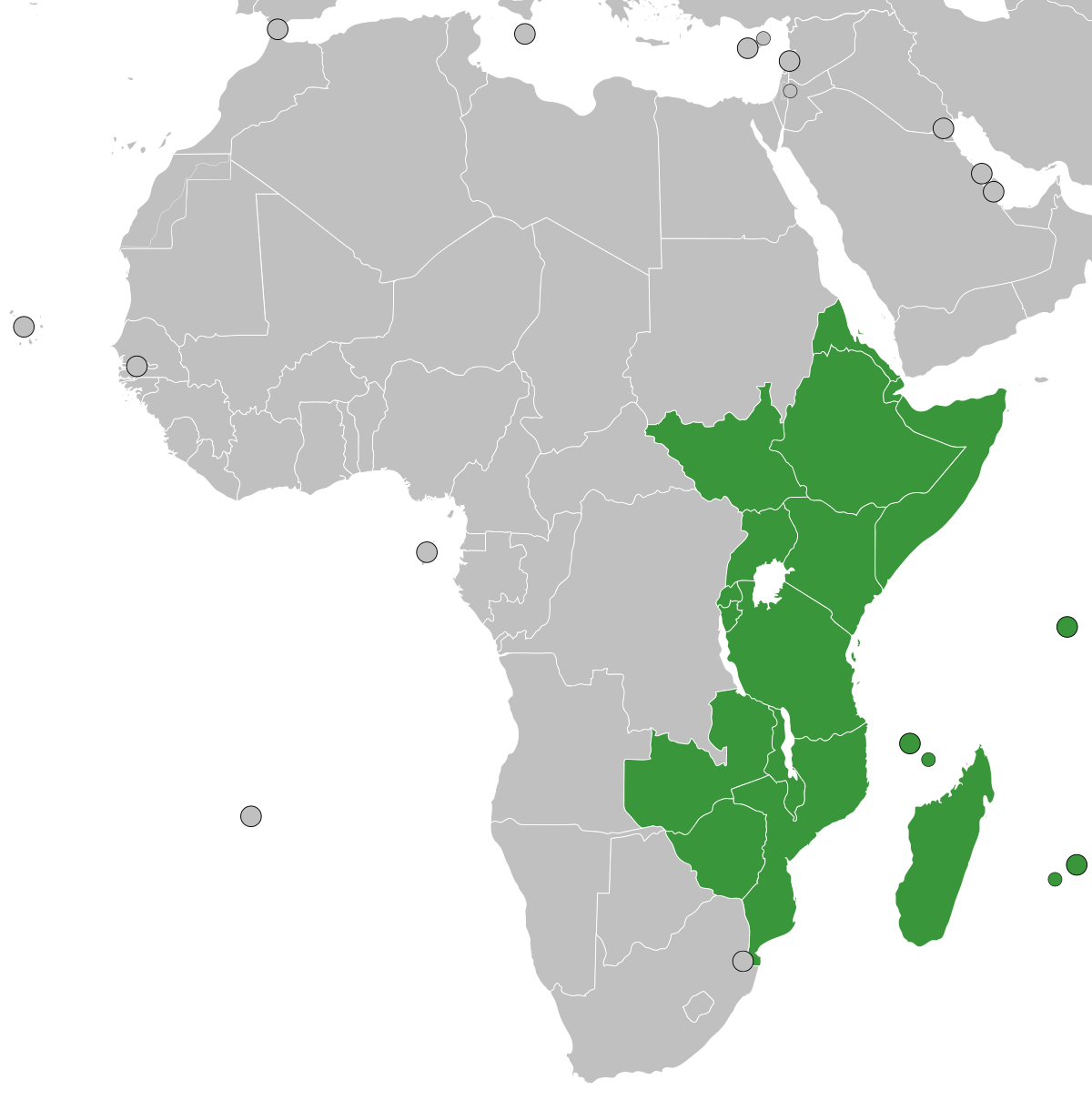
L'actualité en Afrique de l'Est connaît une transformation profonde en 2025, avec une convergence de défis politiques, environnementaux et humanitaires. Du conflit au Soudan aux fragiles efforts de paix en Éthiopie, en passant par les réformes économiques au Kenya et la lutte contre Al-Shabaab en Somalie, les enjeux n'ont jamais été aussi élevés pour des millions de personnes dans la Corne de l'Afrique.
Ce rapport sur l'Afrique de l'Est revient sur cinq crises urgentes qui redessinent l'avenir de la région — et sur les réponses complexes des gouvernements, des organisations régionales et des partenaires internationaux.
Pour des reportages approfondis sur la politique, la culture et l'actualité africaines, visitez Okay Africa – Africa’s Voice, Culture & Current Affairs.
Le conflit au Soudan : une catastrophe humanitaire régionale
Une guerre sans fin à Khartoum
L'actualité en Afrique de l'Est est dominée par la dévastatrice guerre civile au Soudan, qui entre dans sa deuxième année. Le conflit entre les Forces armées soudanaises (SAF) et les Forces de soutien rapide (RSF), une milice paramilitaire, a déplacé plus de 10 millions de personnes — la plus grande crise de déplacement au monde.
Selon le Bureau de la coordination des affaires humanitaires des Nations Unies (OCHA) (*source ici*), plus de 25 millions de personnes ont besoin d'une aide urgente, et la famine a été déclarée dans plusieurs régions.
Sur notre page consacrée à la crise de la Corne de l'Afrique, nous revenons sur la façon dont les pays voisins comme le Soudan du Sud, le Tchad et l'Éthiopie font face à l'afflux de réfugiés et à la pression sur leurs propres systèmes déjà fragiles.
Répercussions régionales et tensions diplomatiques
La couverture du conflit soudanais dans l'actualité d'Afrique de l'Est va bien au-delà du champ de bataille. La guerre a déstabilisé toute la région, l'Éthiopie et le Soudan du Sud étant confrontés à des tensions internes liées aux flux de réfugiés et au trafic d'armes transfrontalier.
L'IGAD a eu du mal à négocier un cessez-le-feu, tandis que l'Égypte et les Émirats arabes unis soutiennent des camps opposés, compliquant les efforts de paix.
« Ce n'est pas seulement la guerre du Soudan — c'est la crise de toute l'Afrique », a déclaré un envoyé de l'IGAD. « Si nous n'agissons pas ensemble, toute la région pourrait s'embraser. »
5 crises urgentes qui marquent 2025
Crise n° 1 : la paix fragile en Éthiopie après la guerre du Tigré
L'un des dossiers les plus critiques de l'actualité d'Afrique de l'Est est la paix fragile en Éthiopie, à la suite de l'accord de Pretoria de 2022 qui a mis fin à deux ans de guerre au Tigré. Si les combats ont cessé, la mise en œuvre de l'accord reste incomplète.
Le désarmement est au point mort, le retour des déplacés est lent, et les tensions politiques entre Addis-Abeba et les dirigeants régionaux s'intensifient. En 2025, des violences ont de nouveau éclaté en Oromia et en Amhara, menaçant de faire voler en éclats la paix.
« La guerre est peut-être terminée, mais la paix n'est pas encore réelle », a déclaré un observateur des droits de l'homme. « Sans justice et sans reddition de comptes, le cycle va se répéter. »
Crise n° 2 : réformes économiques et troubles sociaux au Kenya
Les projecteurs se sont tournés vers le Kenya dans l'actualité d'Afrique de l'Est, où le gouvernement du président William Ruto pousse des réformes économiques douloureuses en échange d'un prêt du FMI de 3,5 milliards de dollars.
Des mesures comme le controversé Finance Bill 2025, qui proposait de nouvelles taxes sur les biens essentiels, ont déclenché des manifestations à l'échelle nationale en juin 2025. Le mot-clé #RejectFinanceBill2025 a été tendance à l'échelle mondiale, et la police a affronté des manifestants à Nairobi.
« On nous taxe jusqu'à la pauvreté », a déclaré un manifestant. « L'élite vend notre avenir au FMI. »
Le gouvernement a finalement retiré le projet de loi, mais la crise économique sous-jacente — une inflation à 22 %, un fort chômage des jeunes et une dette préoccupante — reste sans solution.
Crise n° 3 : la résurgence d'Al-Shabaab en Somalie
Dans l'actualité d'Afrique de l'Est, la Somalie reste un État en première ligne dans la lutte contre le terrorisme. Malgré des années d'efforts de la Mission de transition de l'Union africaine en Somalie (ATMIS) et de l'Armée nationale somalienne, Al-Shabaab continue de mener des attaques meurtrières.
Début 2025, le groupe a revendiqué un attentat-suicide à Mogadiscio qui a tué 35 personnes. Le gouvernement a répondu par une nouvelle offensive, mais des experts avertissent que l'action militaire seule ne peut pas venir à bout de l'extrémisme.
« Al-Shabaab prospère dans le vide laissé par l'État », a déclaré un analyste en sécurité. « Tant que l'État ne fournit pas de services et de justice, la guerre continuera. »
Crise n° 4 : changement climatique et insécurité alimentaire
L'actualité d'Afrique de l'Est est de plus en plus marquée par le changement climatique. Après quatre saisons des pluies consécutives insuffisantes, la Corne de l'Afrique fait face à sa pire sécheresse en 40 ans.
En Somalie, en Éthiopie et au Kenya, plus de 20 millions de personnes souffrent d'une insécurité alimentaire aiguë. Des enfants meurent de malnutrition, et le bétail — un actif économique clé — périt.
« On n'a jamais vu des sécheresses pareilles », a déclaré un agriculteur à Turkana. « La terre est craquelée, et l'espoir s'assèche. »
L'aide internationale est insuffisante, et les programmes d'adaptation climatique manquent de financement. Des experts avertissent que sans action urgente, des migrations massives et des conflits pour les ressources sont inévitables.
Crise n° 5 : répression politique en Ouganda avant les élections de 2026
La couverture de l'actualité d'Afrique de l'Est sur l'Ouganda est marquée par une inquiétude croissante face au recul démocratique. Le président Yoweri Museveni, au pouvoir depuis 1986, se prépare aux élections de 2026 dans un contexte de répression contre l'opposition, les médias et la société civile.
Bobi Wine, chef de la National Unity Platform (NUP), est placé en résidence surveillée de facto, et ses rassemblements sont systématiquement dispersés par la police.
« Ils veulent une élection sans concurrence », a déclaré un militant du NUP. « Mais nous ne nous laisserons pas réduire au silence. »
Des observateurs internationaux avertissent que sans élections libres et équitables, l'Ouganda pourrait connaître de nouveaux troubles et une instabilité régionale.
Coopération régionale et réponse internationale
Le rôle de l'IGAD et de l'Union africaine
L'actualité d'Afrique de l'Est est façonnée par les actions d'organisations régionales comme l'IGAD et l'Union africaine. Bien que leur influence soit limitée, elles restent des acteurs clés en matière de médiation et de maintien de la paix.
L'IGAD a lancé une nouvelle initiative de paix pour le Soudan, tandis que l'Union africaine continue de soutenir les efforts de consolidation de l'État somalien.
« Les solutions régionales sont les seules durables », a déclaré un diplomate de l'Union africaine. « L'Afrique doit résoudre les problèmes de l'Afrique. »
Les grandes puissances et les intérêts géopolitiques
La situation en Afrique de l'Est est aussi influencée par les grandes puissances. Les États-Unis, la Chine, la Turquie et les Émirats arabes unis sont tous actifs dans la région, proposant aide, formation militaire et investissements dans les infrastructures.
Si cela apporte des ressources, cela risque aussi de transformer l'Afrique de l'Est en un terrain d'affrontement par procuration pour des intérêts étrangers.
« Nous accueillons le partenariat — pas la domination », a déclaré un expert en politique étrangère kényan. « Notre souveraineté n'est pas à vendre. »
La voie vers la stabilité
Investir dans la paix et le développement
Les crises qui secouent l'Afrique de l'Est ne peuvent pas être résolues par des moyens militaires seuls. Une stabilité à long terme nécessite des investissements dans la gouvernance, l'éducation, la santé et la création d'emplois.
Des experts appellent à passer de la gestion des crises à leur prévention — en finançant les systèmes d'alerte précoce, en soutenant la société civile et en donnant les moyens d'agir aux communautés locales.
« La paix n'est pas l'absence de guerre — c'est la présence d'opportunités », a déclaré un responsable du développement.
Une vision régionale unifiée
L'avenir de l'Afrique de l'Est dépend d'une intégration régionale plus forte. La Communauté d'Afrique de l'Est (EAC) doit aller au-delà du commerce et se concentrer sur la sécurité, la résilience climatique et les normes démocratiques.
Une Afrique de l'Est unie n'est pas seulement possible — c'est une nécessité pour la survie.
« Nous sommes plus forts ensemble », a déclaré un militant de la jeunesse du Rwanda. « Notre avenir, c'est une région, un peuple, une destinée. »
Le monde observe. L'heure de vérité pour l'Afrique de l'Est, c'est maintenant.
Source de l'article : https://www.okayafrica.com