Les Tournesols de Van Gogh : 5 significations cachées derrière le chef-d'œuvre jaune
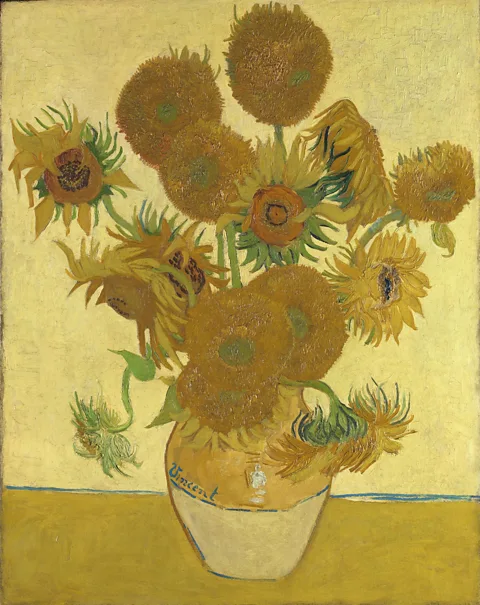
La série des Tournesols de Van Gogh compte parmi les œuvres d'art les plus emblématiques et les plus aimées de l'histoire. Peintes entre 1888 et 1889, ces natures mortes vibrantes représentant des tournesols dans un vase sont bien plus qu'une célébration de la couleur — elles sont des expressions profondes d'espoir, d'amitié et de tourmente intérieure. Créées pendant le séjour de Vincent van Gogh à Arles, en France, ces toiles avaient pour vocation d'accueillir son ami et confrère Paul Gauguin.
Cette collection compte sept versions, dont cinq ont survécu et sont aujourd'hui exposées dans des musées allant de Londres à Tokyo. Leurs jaunes éclatants, leurs coups de pinceau épais et leur intensité émotionnelle continuent de captiver des millions de personnes, faisant de ces œuvres un pilier de l'art post-impressionniste.
Pour des analyses culturelles et artistiques approfondies, consultez News24-Africa – Arts, Culture & Global Stories.
La création d'un chef-d'œuvre
Un accueil en jaune et or
Ces toiles ont été peintes en 1888 dans le cadre du projet ambitieux de van Gogh d'établir une colonie d'artistes à Arles. Il a décoré la Maison Jaune avec ces peintures de tournesols pour préparer l'arrivée de Paul Gauguin, qu'il admirait profondément. « Je pense à décorer entièrement mon atelier avec une demi-douzaine de ces toiles de tournesols », écrivait-il à son frère Theo. « Le fond sera jaune, et les personnages seront aussi en jaune. »
Selon le Van Gogh Museum d'Amsterdam (*source ici*), van Gogh voyait dans le tournesol un symbole de gratitude et de loyauté — une manière d'honorer son invité et d'exprimer sa vision artistique.
Sur notre espace Post-Impressionnisme, nous revenons sur la façon dont des artistes comme van Gogh, Gauguin et Cézanne ont rompu avec le réalisme pour exprimer des vérités émotionnelles plus profondes.
La technique artistique et la profondeur émotionnelle
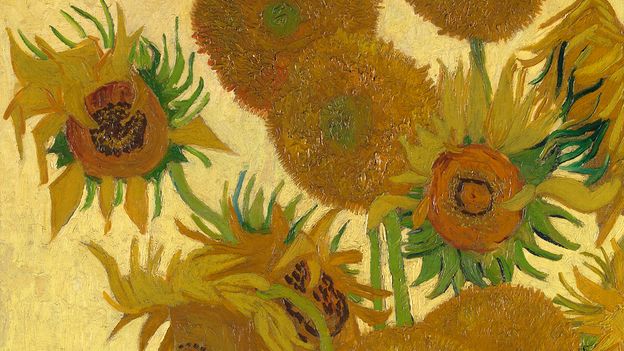
Les Tournesols de Van Gogh sont de véritables leçons de maîtrise en matière de théorie des couleurs et d'expression émotionnelle. Van Gogh a utilisé une palette dominée par le jaune, l'ocre et le vert, appliquant la peinture en couches épaisses (une technique connue sous le nom d'*impasto*) pour créer texture et mouvement.
Il a peint des fleurs aussi bien fraîches que fanées, symbolisant le cycle de la vie et du déclin. « Le tournesol, c'est moi », déclarait-il — une affirmation d'appropriation artistique et d'identité personnelle.
Malgré leur apparence joyeuse, ces peintures ont été réalisées dans une période d'intense solitude et d'instabilité mentale. Les Tournesols n'étaient pas seulement une décoration — ils étaient un cri de connexion.
5 significations cachées derrière le chef-d'œuvre jaune
Signification n°1 : un symbole de gratitude et d'amitié
L'une des significations les plus profondes de ces œuvres tient à leur rôle de geste d'amitié. Van Gogh les a peintes pour accueillir Paul Gauguin, espérant que leur collaboration artistique lui apporterait la compagnie dont il avait désespérément besoin.
Les tournesols, avec leurs têtes tournées vers la lumière, symbolisent la loyauté et le dévouement. Dans une lettre à Gauguin, van Gogh écrivait : « Tu verras qu'en en faisant une décoration, l'ensemble est en harmonie avec lui-même. »
Tragiquement, cette amitié s'est effondrée au bout de deux mois à peine, culminant avec le tristement célèbre épisode où van Gogh s'est coupé l'oreille. Les Tournesols restent néanmoins un témoignage de la force de la fraternité artistique.
Signification n°2 : le cycle de la vie et de la mort
Ces toiles représentent des fleurs aussi bien épanouies que fanées, un choix délibéré pour refléter le cycle naturel de la vie, de la mort et du renouveau. Certains pétales sont vibrants et dressés ; d'autres pendent, brunis et épuisés.
Cette dualité reflète l'état émotionnel de van Gogh lui-même — des moments d'intense joie suivis d'un profond désespoir. Les tournesols fanés ne sont pas des signes d'échec, mais d'honnêteté. « La vie est courte, mais l'art est long », disait-il.
La peinture devient une méditation sur l'impermanence — un thème qui résonne à travers les cultures et les siècles.
Signification n°3 : un phare spirituel d'espoir
Pour van Gogh, le tournesol était bien plus qu'une plante — c'était un symbole spirituel. Élevé dans une famille religieuse, il voyait dans la dévotion de la fleur envers le soleil une métaphore de la foi et de la lumière divine.
Ces tableaux irradient un éclat doré, rappelant les halos religieux de la peinture de la Renaissance. Dans un monde sans religion institutionnelle, van Gogh trouvait le sacré dans la nature.
« Ce qui est fait avec amour est bien fait », écrivait-il. Les Tournesols sont un acte d'amour — pour l'art, pour la vie, et pour la lumière qui nous guide à travers l'obscurité.
Signification n°4 : une déclaration d'indépendance artistique
Les Tournesols de Van Gogh ont marqué un tournant dans sa carrière. Pour la première fois, il peignait sans modèle ni commande — uniquement pour l'expression personnelle.
Il a choisi un sujet simple — un vase de fleurs — mais l'a transformé en quelque chose de monumental. Cet acte d'élever l'ordinaire était révolutionnaire.
« Je veux peindre des hommes et des femmes avec cette qualité indéfinissable de l'éternel », disait-il. Les Tournesols ont été son premier véritable chef-d'œuvre — la déclaration qu'il n'était plus un élève, mais un maître.
Signification n°5 : un autoportrait psychologique
La signification la plus profonde de ces toiles réside peut-être dans ce qu'elles révèlent de la psyché de l'artiste. Les coups de pinceau épais et tourbillonnants, le jaune intense (une couleur associée à la fois à la joie et à la folie), et le vase solitaire renvoient tous à l'univers intérieur de van Gogh.
Les fleurs se tiennent ensemble, et pourtant chacune est unique — tout comme van Gogh lui-même, qui aspirait à la communauté mais se sentait toujours en marge.
Les historiens de l'art voient aujourd'hui dans les Tournesols non plus de simples natures mortes, mais de véritables autoportraits psychologiques — des fenêtres ouvertes sur un esprit brillant et tourmenté.

L'héritage des Tournesols
De l'obscurité à l'icône mondiale
Ces œuvres n'ont pas été immédiatement saluées. Après la mort de van Gogh en 1890, son travail était largement inconnu. Ce n'est qu'au début du XXe siècle que collectionneurs et musées ont commencé à reconnaître leur génie.
Aujourd'hui, une version s'est vendue 39,9 millions de dollars en 1987, établissant un record à l'époque. Ces peintures comptent désormais parmi les œuvres d'art les plus reproduites au monde — on les retrouve sur des mugs, des affiches et même sur les podiums de la mode.
« Ce ne sont pas seulement des peintures — ce sont des repères culturels », a déclaré un conservateur de la National Gallery de Londres.
Un message intemporel de résilience
Ces œuvres continuent d'inspirer parce qu'elles parlent d'expériences humaines universelles : l'espoir face au désespoir, la beauté dans le déclin, et la quête de connexion.
Pendant la pandémie, des gens aux quatre coins du monde ont partagé des images des Tournesols en ligne comme symboles de résilience et de lumière dans les moments sombres.
« Van Gogh ne peignait pas ce qu'il voyait — il peignait ce qu'il ressentait », a déclaré un artiste contemporain. « Et nous le ressentons encore, plus de 130 ans après. »
La science du jaune
Pourquoi la peinture se dégrade
Paradoxalement, la couleur même qui définit les Tournesols de Van Gogh — le jaune — est aussi leur point faible. Van Gogh a utilisé du jaune de chrome, un pigment qui se dégrade sous l'effet de la lumière.
Des études menées par l'European Synchrotron Radiation Facility (*source ici*) montrent que certaines zones des peintures ont considérablement foncé, virant au brun verdâtre.
Les musées exposent désormais ces tableaux sous un éclairage faible et mènent régulièrement des travaux de conservation pour préserver leur éclat.
Un hommage moderne en lumière
En 2025, une exposition numérique immersive intitulée *Sunflower Reimagined* a utilisé l'intelligence artificielle et la projection mapping pour restaurer la vivacité originelle des Tournesols de Van Gogh, permettant aux visiteurs de découvrir les tableaux tels que van Gogh les voyait.
« La technologie nous permet de voir le passé avec un regard neuf », a déclaré le directeur de l'exposition. « Et la lumière de van Gogh brille encore. »
Conclusion : la floraison éternelle
Les Tournesols de Van Gogh sont bien plus que des peintures — ils sont un témoignage de l'esprit humain. Dans leurs pétales dorés, on perçoit la joie, la douleur, l'espoir et le pouvoir durable de l'art à guérir et à inspirer.
Van Gogh disait : « Je cherche, je tends vers quelque chose, je m'y engage de tout mon cœur. » Les Tournesols prouvent que même dans l'obscurité, la beauté peut éclore.
Leur message est intemporel : regardez vers la lumière. Continuez de grandir. Continuez de croire.
Source de l'article : News24-Africa