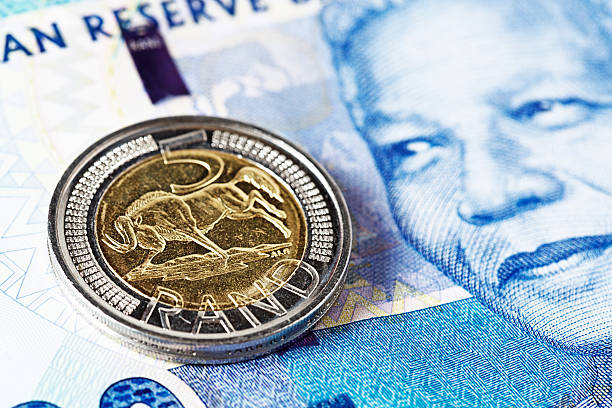
Le rand sud-africain remonte après la sortie de la liste grise
Le rand sud-africain est en mouvement. Depuis la sortie récente du pays de la liste grise, les investisseurs revoient leur appréciation du risque, le sentiment de marché évolue et la monnaie suit. Cet article revient sur les principaux facteurs à l'œuvre, leurs implications et les éléments à surveiller.
Ce que signifie ce mouvement de la monnaie
Quand une devise comme le rand sud-africain commence à s'apprécier, ce mouvement reflète souvent bien plus que de simples dynamiques de change — il traduit une confiance plus large dans la direction économique ou réglementaire du pays. Le retrait de l'Afrique du Sud de la liste grise par le Groupe d'action financière (GAFI) la place sous un jour plus favorable, et ce jour favorable rejaillit sur le rand.
Les marchés y voient un signal de risque systémique réduit, de meilleure conformité aux normes mondiales, et donc d'une monnaie potentiellement plus viable comme instrument d'investissement ou de couverture. Le raffermissement du rand sud-africain, c'est donc plus qu'un chiffre — c'est un message.
Les facteurs derrière le raffermissement du rand
Confiance réglementaire et alignement
Retirer un pays de la liste grise du GAFI, c'est reconnaître son alignement sur les normes financières internationales, notamment en matière de lutte contre le blanchiment d'argent et le financement du terrorisme. Cet alignement compte pour le rand, parce qu'il réduit une dimension du risque que les modèles de valorisation du capital intègrent.
Sentiment de marché et flux de capitaux
Les bonnes nouvelles suscitent l'intérêt des marchés. Pour le rand, un sentiment favorable peut se traduire par une augmentation des entrées de capitaux, une plus forte demande pour la devise et un resserrement de la fourchette de change.
Les fondamentaux économiques en ligne de mire
Si les mouvements de surface comptent, les fondamentaux sous-jacents ont leur importance aussi. Si l'inflation reste contenue, que la banque centrale est crédible et que le contexte mondial n'est pas hostile, le rand dispose d'une base plus solide pour progresser.
Les répercussions pour les acteurs concernés
Pour les investisseurs, la hausse du rand relance l'intérêt, mais appelle aussi à la prudence. Un rand fort peut limiter certains rendements une fois convertis dans la monnaie d'origine, mais réduit aussi les risques liés à la dépréciation. Les entreprises ayant une exposition transfrontalière profitent d'une monnaie locale plus forte pour convertir leurs dettes extérieures ou leurs importations. Ce contexte amélioré pourrait aussi encourager de nouveaux investissements dans l'économie sud-africaine, ce qui renforcerait encore davantage la progression du rand.
Ce qui attend la monnaie
Suivre l'évolution du rand sud-africain, c'est garder un œil sur :
- La façon dont l'élan des réformes se maintient — si les régulateurs tiennent leurs engagements, le scénario reste valable.
- L'appétit mondial pour le risque — les devises des marchés émergents sont souvent influencées par le sentiment mondial, ce qui joue sur le rand.
- Les tendances des matières premières, la cohérence des politiques internes et la concurrence régionale — autant d'éléments qui peuvent soit amplifier soit freiner les gains du rand.
FAQs
Q1 : Pourquoi le rand sud-africain est-il plus fort en ce moment ?
Parce que l'Afrique du Sud a quitté la liste grise du GAFI, ce qui a amélioré la confiance des investisseurs et réduit le risque perçu.
Q2 : Le rand sud-africain peut-il rechuter ?
Oui — si les réformes s'essoufflent, que l'aversion mondiale au risque augmente ou que des chocs extérieurs surviennent, il pourrait s'affaiblir.
Q3 : Quel avantage les entreprises exportatrices d'Afrique du Sud en tirent-elles ?
Les exportateurs risquent de perdre en compétitivité si le rand se renforce trop, car cela fait monter leurs coûts en devises étrangères.
Q4 : Est-ce le bon moment pour investir en Afrique du Sud ?
Ce moment offre des opportunités, mais les investisseurs prudents évalueront le risque de change, la clarté des politiques publiques et les conditions régionales.
Q5 : La vigueur du rand sud-africain va-t-elle durer ?
Tout dépend de la continuité des réformes, des tendances mondiales et de l'évolution de l'économie sud-africaine ; la sortie de la liste grise est un pas positif, mais ce n'est pas une garantie.
Conclusion
La progression du rand sud-africain traduit bien plus qu'un simple mouvement de change — elle laisse entrevoir un changement de perception, de gestion du risque et d'attractivité pour les investissements. Pour ceux qui ont une exposition ou un intérêt pour l'Afrique du Sud, c'est un moment à suivre de près. La suite dépendra de l'élan maintenu, de la discipline des politiques publiques et du contexte mondial. Le rand sud-africain nous indique peut-être que quelque chose de significatif est en train de changer.