Introduction
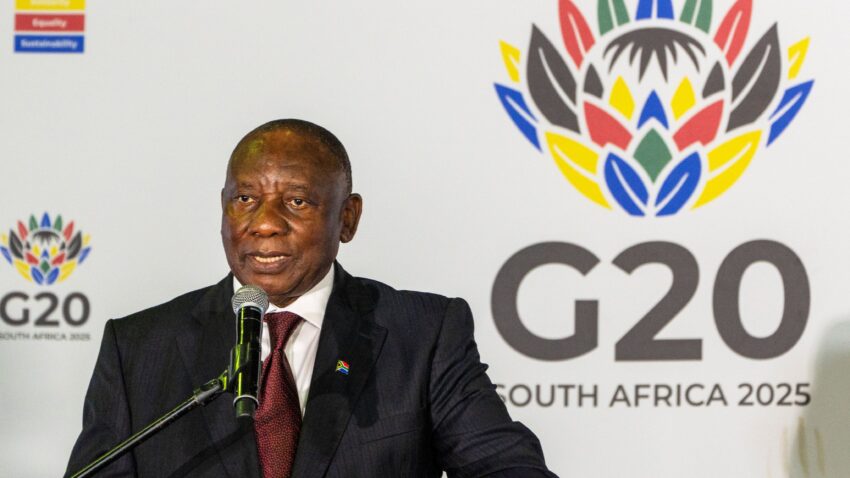
Le boycott du G20 par les États-Unis est devenu un sujet central dans les discussions politiques mondiales. La décision prise sous l'ancien président Donald Trump de ne pas participer au sommet du G20 2025 à Johannesburg a soulevé des questions importantes sur les relations internationales, la diplomatie et l'avenir de la coopération mondiale. Cet article revient sur les raisons principales de ce boycott du G20, en éclairant les facteurs diplomatiques, économiques et sociaux qui ont influencé la position américaine sur cet événement international majeur.
Boycott du G20 : le mécontentement de Trump envers le gouvernement sud-africain
L'une des principales motivations du boycott du G20 est le mécontentement de l'ancien président Trump vis-à-vis du gouvernement sud-africain, notamment ses politiques en matière de réforme agraire et de relations raciales. Trump n'a pas caché sa critique de la façon dont Pretoria gère l'expropriation des terres, qui implique de redistribuer des terres appartenant à des fermiers blancs à des Sud-Africains noirs. Ses inquiétudes s'articulent autour de l'idée de « génocide blanc », un terme qu'il utilise pour décrire le ciblage violent des fermiers blancs.
La façon dont Trump décrit la situation est largement contestée, mais elle trouve un écho dans certaines franges de la population américaine, notamment celles qui considèrent la réforme agraire comme injuste envers les propriétaires terriens blancs. Son choix de boycotter le sommet du G20 est donc une expression de désapprobation visant à attirer l'attention internationale sur ce qu'il perçoit comme des injustices dans la gestion de la réforme agraire en Afrique du Sud.
Boycott du G20 : le rôle des groupes afrikaner en Afrique du Sud
Le boycott du G20 a également trouvé un écho favorable auprès de certains groupes afrikaner en Afrique du Sud, dont les communautés se sentent directement touchées par les politiques de réforme agraire. Les Afrikaners, descendants de colons néerlandais, représentent une part importante de la population blanche sud-africaine. Beaucoup de ces groupes estiment que leurs droits sont remis en cause, et la position de Trump sur la question de la réforme agraire rejoint leurs préoccupations.
Cependant, tous les Afrikaners n'adhèrent pas au récit du « génocide blanc ». Certains estiment que le processus d'expropriation des terres peut être géré de manière à corriger les inégalités raciales du pays sans recourir à la violence ni marginaliser un groupe de citoyens. Cette division au sein de la communauté afrikaner illustre bien la complexité de la transition sud-africaine de l'apartheid vers une société plus inclusive.
Boycott du G20 : intérêts stratégiques américains et leadership mondial
Un autre facteur important derrière le boycott du G20 est la vision américaine du leadership mondial et des intérêts stratégiques. Les États-Unis ont longtemps été une force dominante dans la politique mondiale, et leur absence au sommet du G20 traduit un changement dans leur façon de concevoir leur rôle dans la coopération internationale. La politique America First de Trump visait à faire passer les intérêts américains avant les alliances mondiales, et ce boycott du G20 en est le reflet.
En boycottant le sommet, les États-Unis envoient un message clair : ils ne participeront pas à des forums qu'ils jugent contraires à leurs objectifs économiques et politiques. Ce geste signale aux autres nations que Washington est prêt à renoncer aux voies diplomatiques traditionnelles pour affirmer sa souveraineté et défendre ses intérêts.
Boycott du G20 : les répercussions sur les relations américano-sud-africaines
Le boycott du G20 a mis à rude épreuve les relations diplomatiques entre les États-Unis et l'Afrique du Sud. En tant que membre du G20, l'Afrique du Sud joue un rôle clé dans les discussions sur des enjeux mondiaux comme le changement climatique, le commerce et la santé. La décision américaine de boycotter le sommet est perçue comme un rejet du leadership sud-africain sur ces questions et pourrait compliquer les relations diplomatiques à venir.
Le gouvernement sud-africain s'est montré actif dans ses efforts pour faire face aux défis mondiaux, et ce boycott du G20 ajoute une couche de tension à ce dialogue. L'absence des États-Unis ne touche pas seulement ce sommet en particulier, mais jette aussi une ombre sur l'avenir des relations américano-sud-africaines dans le contexte des grands enjeux planétaires.
Boycott du G20 : répercussions géopolitiques sur la gouvernance mondiale
Le boycott du G20 a des implications plus larges pour l'avenir de la gouvernance mondiale. En tant que l'un des pays les plus influents du monde, la décision des États-Unis de ne pas participer au sommet du G20 envoie un signal fort aux autres nations. Le G20 est une plateforme importante pour traiter des questions mondiales telles que le changement climatique, l'instabilité économique et les accords commerciaux internationaux. L'absence américaine modifiera probablement la dynamique de ces discussions, notamment dans les domaines où Washington a traditionnellement été une force dominante.
Sans les États-Unis, d'autres membres du G20, comme la Chine, la Russie et l'Inde, pourraient prendre une place plus importante dans l'orientation des politiques mondiales. Ce glissement d'influence pourrait affecter non seulement l'avenir du G20, mais aussi la structure plus large de la gouvernance mondiale dans les années à venir.
Boycott du G20 : les conséquences économiques pour l'Afrique du Sud
Pour l'Afrique du Sud, le boycott du G20 n'est pas seulement une question diplomatique ; il a aussi des répercussions économiques importantes. Le sommet du G20 est une occasion pour l'Afrique du Sud d'interagir avec les plus grandes économies mondiales sur des questions urgentes comme le commerce, l'investissement et le développement économique. Les États-Unis sont un partenaire commercial essentiel pour de nombreuses nations, et leur absence du sommet pourrait se traduire par une réduction de la coopération économique et des investissements.
Seul membre africain du G20, l'Afrique du Sud cherche à renforcer ses liens économiques avec la communauté mondiale. Ce boycott du G20 pourrait compliquer ces efforts, d'autres pays étant moins enclins à conclure des accords ou à faire des concessions en l'absence des États-Unis.
Boycott du G20 : l'impact sur les discussions mondiales autour du changement climatique
Le changement climatique est l'un des grands sujets à l'ordre du jour du G20, et le boycott du G20 par les États-Unis jette une ombre sur les discussions climatiques mondiales. Washington a été un acteur clé dans l'élaboration de la politique climatique internationale, et son absence affectera sans aucun doute le cours des futures négociations. L'Afrique du Sud, qui s'est activement engagée en faveur de l'action climatique, devra maintenant naviguer dans ce débat sans l'un des plus grands émetteurs mondiaux autour de la table.
Cette absence pourrait ouvrir la voie à d'autres nations, comme la Chine et l'Union européenne, pour jouer un rôle plus important en faveur d'une action climatique ambitieuse. Cependant, le manque de leadership américain pourrait aussi conduire à des politiques climatiques fragmentées, incapables de produire la coopération mondiale nécessaire pour faire face à cet enjeu urgent.
Boycott du G20 : impact potentiel sur les relations américano-africaines
Le boycott du G20 a également des implications à long terme pour les relations entre les États-Unis et l'Afrique. De nombreuses nations africaines ont exprimé leur frustration face à ce qu'elles perçoivent comme un désintérêt américain pour leurs intérêts. La décision de boycotter le sommet pourrait signaler un engagement réduit envers le développement et les questions de gouvernance en Afrique.
En tant que région à la croissance la plus rapide du monde, l'importance géopolitique de l'Afrique ne cesse de croître. L'absence des États-Unis dans des forums clés comme le G20 pourrait pousser les nations africaines à explorer de nouvelles alliances avec d'autres puissances, comme la Chine, l'Inde et la Russie. Ce glissement d'alliances pourrait remodeler l'avenir des relations américano-africaines et influencer le positionnement stratégique de l'Afrique sur la scène mondiale.
FAQs
Pourquoi les États-Unis ont-ils décidé de boycotter le sommet du G20 ?
Le boycott du G20 a été principalement motivé par le mécontentement américain face aux politiques de réforme agraire de l'Afrique du Sud, notamment la question du « génocide blanc » et de l'expropriation des terres.
Quelles sont les conséquences du boycott américain du G20 pour l'Afrique du Sud ?
Le boycott fragilise les relations américano-sud-africaines, compliquant potentiellement la coopération diplomatique et économique entre les deux pays.
Quel est l'impact du boycott du G20 sur les efforts mondiaux contre le changement climatique ?
L'absence des États-Unis au sommet du G20 réduit leur influence sur les discussions climatiques, et pourrait pousser d'autres pays comme la Chine et l'UE à prendre les rênes.
Conclusion
Le boycott du G20 marque un tournant dans les relations américano-sud-africaines, avec des implications profondes pour la diplomatie mondiale. Alimenté par les tensions politiques autour de la réforme agraire et des questions raciales, ce boycott met en lumière les défis de la coopération internationale dans un monde de plus en plus polarisé. Face aux défis croissants auxquels la communauté mondiale est confrontée, l'absence des États-Unis au G20 aura probablement des conséquences durables, modifiant la dynamique de la gouvernance mondiale et de la collaboration internationale pour les années à venir.