Introduction
La contrebande de carburant en Libye est devenue l'un des trafics illicites les plus destructeurs d'Afrique du Nord. Pourtant, le pays détient certaines des plus grandes réserves pétrolières au monde, et malgré ça, beaucoup de Libyens font face à des pénuries, des files d'attente interminables aux stations-service et des prix qui ne cessent de grimper. La raison est simple : des milliards de dollars de carburant subventionné sont volés et revendus à l'étranger chaque année.
Cette crise est alimentée par la corruption, les divisions politiques, les milices armées et les groupes criminels organisés qui voient dans le carburant un moyen de s'enrichir rapidement et facilement. Au lieu d'arriver jusqu'aux citoyens, le carburant disparaît dans des réseaux clandestins qui opèrent à travers les frontières et les mers. Comprendre ces facteurs est indispensable pour trouver des solutions qui protègent l'économie libyenne et rétablissent la stabilité.
La contrebande de carburant et la faiblesse de la gouvernance libyenne
Ce trafic a prospéré parce que les institutions gouvernementales libyennes sont fragmentées et affaiblies. Après des années de conflit, différentes régions ont développé leurs propres centres de pouvoir. Les chefs locaux, les groupes tribaux et les commandants de milices ont souvent plus d'influence que les autorités officielles.
Ce manque d'unité rend presque impossible la surveillance des dépôts de carburant, le contrôle des zones frontalières ou le suivi des routes de transport. Les contrebandiers profitent de cette confusion. En l'absence d'une autorité centrale qui contrôle le pays, des acteurs illégaux comblent le vide et mettent en place des opérations lucratives qu'il devient très difficile de démanteler.
La contrebande de carburant et l'exploitation des subventions
La Libye vend le carburant à l'un des prix les plus bas au monde, ce qui le rend extrêmement attractif pour la contrebande. Le diesel et l'essence peuvent être achetés en Libye pour une fraction de leur valeur dans les pays voisins. Cela crée un écart de profit considérable.
Les réseaux criminels achètent le carburant à des prix subventionnés, le font passer les frontières et le revendent plusieurs fois son coût d'origine. Ce système de subvention, bien qu'il ait été conçu pour aider les citoyens, est aujourd'hui l'une des principales raisons pour lesquelles ce trafic illicite continue de prendre de l'ampleur. Sans réforme des subventions, l'attrait restera fort.
La contrebande de carburant et le contrôle des milices
La contrebande de carburant rapporte des profits énormes aux milices. Au cours de la dernière décennie, des groupes armés ont pris le contrôle des principales routes d'approvisionnement, des ports, des raffineries et des dépôts de carburant. Au lieu de protéger les ressources nationales, beaucoup s'en servent pour s'enrichir.
Les milices escortent les camions de contrebande, perçoivent des droits aux checkpoints et négocient des accords avec des acheteurs étrangers. Ces profits leur permettent de renforcer leur puissance militaire, ce qui les rend encore plus difficiles à contrôler pour le gouvernement. Tant que les milices tireront de l'argent de la contrebande, les conflits et l'instabilité perdureront.
La contrebande de carburant et la corruption au sein des institutions
La corruption au sein des sociétés de distribution de carburant, des services des douanes et des agences de sécurité joue un rôle majeur. Certains fonctionnaires chargés de protéger le système de distribution collaborent au contraire avec des criminels.
Ils approuvent des cargaisons suspectes, falsifient les registres d'inventaire et ferment les yeux sur les mouvements illicites. Plutôt que de freiner la contrebande, ils la couvrent en échange de rémunérations financières. Ce soutien de l'intérieur rend le réseau plus organisé et bien plus difficile à démanteler.
La contrebande de carburant et les opérations maritimes
Une grande partie de ce trafic emprunte des routes maritimes. De petits pétroliers transportent du carburant volé jusqu'aux eaux internationales, où il est transbordé sur des navires plus grands ou mélangé à des cargaisons légales. Ce procédé est connu sous le nom de transfert de navire à navire.
Les contrebandiers coupent souvent les systèmes de localisation, utilisent de faux documents ou dissimulent le carburant sous de fausses étiquettes de produits. Une fois que le carburant arrive dans des ports étrangers, il devient presque impossible à retrouver. Ces routes maritimes étendent le réseau de contrebande bien au-delà des frontières libyennes, créant ainsi un défi à l'échelle mondiale.
La contrebande de carburant et les routes désertiques
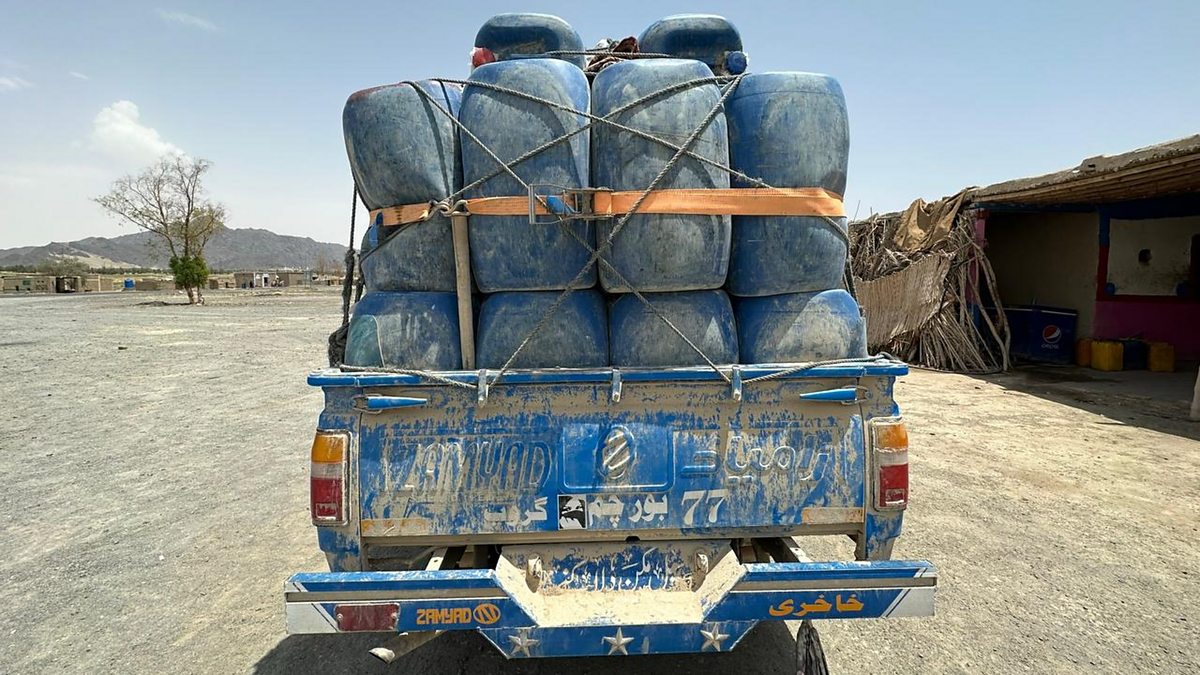
Une bonne partie de ce trafic transite par les longues frontières désertiques de la Libye. Des camions chargés de diesel et d'essence traversent des zones isolées en direction du Soudan, du Tchad, du Niger et de l'Algérie. Ces routes sont extrêmement difficiles à surveiller pour les autorités, car elles traversent de vastes étendues désertes avec très peu de postes de contrôle.
Dans de nombreuses régions, les postes frontaliers sont contrôlés par des tribus, des groupes locaux ou des milices plutôt que par les forces de sécurité nationales. Les contrebandiers versent souvent des pots-de-vin ou empruntent des pistes secondaires pour éviter les contrôles. Une fois que le carburant passe dans les pays voisins, il rejoint rapidement les marchés noirs ou finit dans des zones de conflit où des groupes armés comptent sur un carburant bon marché pour survivre. Ce phénomène montre à quel point la contrebande est liée à l'instabilité régionale.
La contrebande de carburant et ses conséquences sur la vie quotidienne
Ce trafic affecte le quotidien de millions de Libyens. Même si le pays dispose d'immenses réserves pétrolières, les citoyens attendent souvent des heures aux stations-service à cause des pénuries. Une grande partie du carburant destiné au public est volée avant d'atteindre les marchés locaux, ce qui fait grimper les prix sur le marché noir.
Les pénuries de carburant aggravent également les problèmes d'électricité. Les centrales électriques dépendent d'un approvisionnement régulier en carburant, et quand elles n'en reçoivent pas assez, les coupures de courant s'allongent. Les entreprises peinent à faire fonctionner leurs machines, les commerces dépensent plus pour leurs groupes électrogènes, et les agriculteurs ont du mal à alimenter leurs pompes d'irrigation. Tout cela fait monter le coût de la vie et érode la confiance de la population envers le gouvernement.
La contrebande de carburant et la coopération internationale
Ce trafic implique aussi des réseaux en dehors de la Libye. Certains armateurs et négociants étrangers facilitent le transport du carburant volé en acceptant de faux documents ou en ignorant des cargaisons suspectes. Une fois que le carburant arrive dans des ports internationaux, il se mélange aux approvisionnements légaux, ce qui le rend difficile à retrouver.
Une action internationale est indispensable pour freiner ce trafic. Les pays peuvent améliorer les inspections des navires, surveiller les pétroliers suspects, appliquer des sanctions et renforcer le suivi financier. Sans coopération mondiale, les contrebandiers continueront à trouver des acheteurs et des moyens de transport pour soutenir leurs opérations.
La contrebande de carburant et les efforts de la Libye pour y mettre fin
Les autorités libyennes ont tenté à plusieurs reprises de mettre fin à ce trafic en améliorant les systèmes de surveillance, en multipliant les contrôles et en collaborant avec des organisations internationales. Certaines routes de contrebande ont été bloquées et quelques réseaux criminels démantelés. Mais le défi reste immense.
La corruption, les divisions politiques et l'influence des milices freinent les progrès. Des institutions plus solides, une tenue de registres transparente et la protection des lanceurs d'alerte sont essentielles pour un changement durable. Sans réformes profondes, les coups de filet ponctuels ne suffiront pas à démanteler des réseaux de contrebande aussi puissants.
La contrebande de carburant et l'avenir du secteur pétrolier libyen
Ce trafic menace l'avenir de tout le secteur pétrolier libyen. Les investisseurs évitent de s'engager dans des environnements marqués par la corruption, des forces de l'ordre défaillantes et des chaînes d'approvisionnement peu fiables. À mesure que la contrebande se poursuit, des milliards de dollars sont perdus chaque année — de l'argent qui pourrait servir à reconstruire les infrastructures, soutenir les écoles, améliorer les soins de santé et créer des emplois.
La Libye doit renforcer le contrôle aux frontières, moderniser le suivi du carburant et imposer une stricte obligation de reddition de comptes à tous les niveaux. Restaurer la confiance dans les institutions étatiques est indispensable. Mettre fin à ce trafic ne se limite pas à protéger le pétrole ; il s'agit aussi de rebâtir l'économie du pays et de redonner espoir en un avenir stable.
FAQs
1. Pourquoi la contrebande de carburant persiste-t-elle en Libye ?
Ce trafic perdure parce que le carburant bon marché, la faiblesse de la gouvernance et l'implication des milices le rendent très lucratif.
2. Comment la contrebande de carburant nuit-elle à l'économie libyenne ?
Elle prive le pays de milliards en recettes, perturbe les services publics et aggrave les pénuries qui affectent la vie quotidienne.
3. Quelles solutions peuvent mettre fin à la contrebande de carburant ?
Des institutions plus solides, des systèmes de suivi transparents, des frontières sécurisées, une réforme des subventions et une coopération internationale.
Conclusion
La contrebande de carburant est devenue l'un des défis les plus graves auxquels la Libye est confrontée. Elle saigne les richesses nationales, renforce les groupes armés et pénalise les citoyens ordinaires. Cette crise est le reflet d'années de corruption et de divisions au sein des institutions du pays. Pour que la Libye avance vers la stabilité, elle doit imposer la reddition de comptes, moderniser ses systèmes de gestion du carburant et travailler avec ses partenaires internationaux. Avec de vraies réformes, la Libye peut protéger ses ressources, rebâtir son économie et offrir un avenir plus sûr à sa population.