Introduction
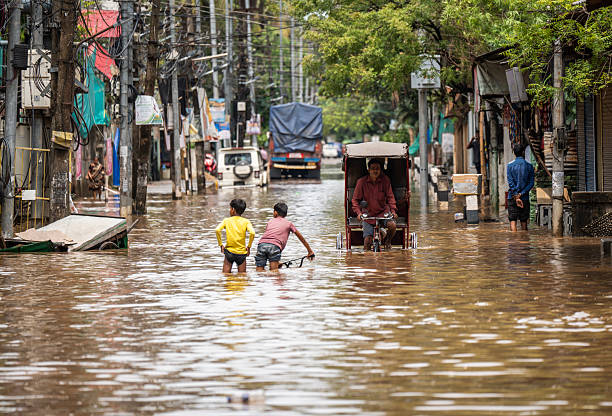
Les récentes inondations au Gauteng ont semé la pagaille à Johannesburg et dans les zones environnantes, avec des pluies torrentielles provoquant de graves submersions dans les rues et des pannes d'électricité généralisées. City Power a indiqué que le rétablissement du courant pourrait prendre jusqu'à 48 heures dans certains quartiers. Ces tempêtes mettent en lumière les failles des infrastructures locales et l'importance d'être préparé aux situations d'urgence. Les réseaux sociaux, en particulier X, ont été inondés de mises à jour et de visuels sous le hashtag #GautengStorms, témoignant de l'inquiétude du public. Cet article revient sur huit leçons importantes tirées de ces inondations, avec des pistes concrètes pour les résidents, les autorités municipales et les urbanistes afin d'améliorer la sécurité et la résilience face aux phénomènes météorologiques extrêmes.
Inondations au Gauteng : évaluer les failles des infrastructures
Ces inondations ont mis à nu de sérieuses failles au niveau des routes, des systèmes de drainage et des réseaux électriques. Les pluies persistantes ont débordé les infrastructures de drainage, provoquant la submersion des rues et perturbant la circulation. Les lignes électriques et transformateurs vieillissants ont également été touchés, ralentissant les travaux de rétablissement. Les autorités doivent investir dans des infrastructures urbaines résilientes, des solutions de drainage modernes et un entretien régulier pour éviter de nouvelles perturbations. Les résidents doivent connaître les zones vulnérables et prendre des précautions pour protéger leurs biens et leur sécurité lors des inondations.
Inondations au Gauteng : les défis du rétablissement du courant
Rétablir l'électricité en pleine inondation au Gauteng, c'est tout sauf simple. Les rues submergées et les zones gorgées d'eau empêchent les équipes de réparation d'accéder efficacement aux infrastructures touchées. City Power a indiqué que le rétablissement pourrait prendre jusqu'à 48 heures dans certaines banlieues. Les résidents sont invités à garder des provisions d'urgence à portée de main, notamment des lampes de poche, des piles et de la nourriture. Les générateurs de secours et les solutions énergétiques alternatives peuvent aider à atténuer l'impact des pannes prolongées. Les autorités doivent élaborer des plans de contingence pour rétablir les services de manière sûre et efficace.
Inondations au Gauteng : mobilisation communautaire et réseaux sociaux
Les réseaux sociaux ont joué un rôle clé durant ces inondations. Les résidents y partagent des mises à jour en temps réel, des images de rues submergées et des cartes des pannes sous le hashtag #GautengStorms. Ces plateformes permettent de coordonner l'entraide communautaire, de sensibiliser le public et de signaler les dangers aux autorités. La mobilisation des habitants garantit des temps de réponse plus rapides et améliore la conscience situationnelle aussi bien pour les résidents que pour les services d'urgence. Bien utilisés, les outils de communication numérique renforcent la résilience des communautés face aux inondations.
Inondations au Gauteng : la préparation des services d'urgence
Les équipes de secours font face à d'énormes difficultés durant ces inondations. Les opérations de sauvetage, les urgences médicales et la gestion du trafic exigent une coordination rigoureuse. Un personnel bien formé, équipé des outils nécessaires, peut intervenir plus efficacement. La planification en amont — incluant des exercices d'inondation, des abris temporaires et des canaux de communication clairs — est essentielle. La coopération entre les autorités municipales, les fournisseurs de services publics et les bénévoles garantit des interventions d'urgence rapides et sûres, réduisant les risques de victimes et de dégâts matériels.
Inondations au Gauteng : implications climatiques et adaptation
L'intensité de ces inondations au Gauteng reflète des préoccupations climatiques plus larges, notamment l'augmentation des précipitations et la multiplication des phénomènes météorologiques extrêmes. L'urbanisme et les infrastructures doivent s'adapter à ces conditions pour éviter des perturbations répétées. Une gestion durable de l'eau, une construction résistante aux inondations et des politiques d'adaptation climatique sont indispensables. Sensibiliser le public aux risques climatiques renforce la prise de conscience communautaire, permettant aux résidents d'être mieux préparés à de tels événements à l'avenir.
Inondations au Gauteng : leçons pour les résidents
Les résidents peuvent prendre plusieurs mesures proactives pour limiter l'impact des inondations. Préparer des trousses d'urgence, mettre ses affaires personnelles en sécurité et connaître les voies d'évacuation sont des démarches essentielles. Un entretien régulier du domicile, comme le nettoyage des gouttières et des caniveaux, peut prévenir l'accumulation d'eau. Rester informé via les canaux officiels et les réseaux communautaires permet de recevoir des mises à jour en temps voulu lors des situations d'urgence. En adoptant ces stratégies, les résidents contribuent à leur sécurité personnelle et à la résilience globale de leur communauté face aux inondations au Gauteng.
Inondations au Gauteng : couverture médiatique et sensibilisation du public
Les médias jouent un rôle crucial dans la diffusion d'informations fiables lors des inondations. En couvrant les pannes de courant, l'état des routes et les conseils de sécurité, ils informent le public et l'aident à prendre des décisions. La couverture médiatique peut influencer les débats politiques, incitant les autorités à prioriser la résilience des infrastructures et la planification des urgences. Un journalisme responsable garantit que les communautés reçoivent des informations factuelles en temps voulu, réduisant la panique et améliorant la coordination des interventions.
Inondations au Gauteng : recommandations politiques
Ces inondations au Gauteng offrent de précieuses leçons aux décideurs et aux urbanistes. Les investissements dans des systèmes de drainage modernes, des réseaux électriques renforcés et des constructions résistantes aux inondations sont indispensables. Les politiques publiques doivent inclure des normes de sécurité strictes, des évaluations des risques et des protocoles de préparation aux urgences. La collaboration entre les municipalités, les ingénieurs et les experts climatiques garantit que les infrastructures peuvent résister aux phénomènes météorologiques extrêmes. Des politiques proactives contribuent à réduire les pertes économiques et à protéger la sécurité publique lors des futures inondations.
FAQs
Q1 : Quelle a été la gravité des inondations au Gauteng ? R1 : Les inondations ont provoqué de vastes submersions dans les rues et des coupures de courant prolongées à Johannesburg et dans les banlieues environnantes.
Q2 : Combien de temps faudra-t-il pour rétablir le courant lors des inondations au Gauteng ? R2 : City Power a averti que le rétablissement pourrait prendre jusqu'à 48 heures dans les quartiers touchés.
Q3 : Quelles précautions les résidents doivent-ils prendre lors des inondations au Gauteng ? R3 : Les résidents doivent préparer des trousses d'urgence, éviter les zones inondées et suivre les consignes de sécurité officielles.
Conclusion
Les inondations au Gauteng mettent en lumière des failles critiques dans les infrastructures, la gestion des urgences et la préparation des communautés. En tirant les leçons de cet événement et en mettant en œuvre des mesures proactives, résidents et autorités peuvent améliorer la sécurité, garantir des interventions rapides et renforcer la résilience face aux futurs phénomènes météorologiques extrêmes.