 khaledadmin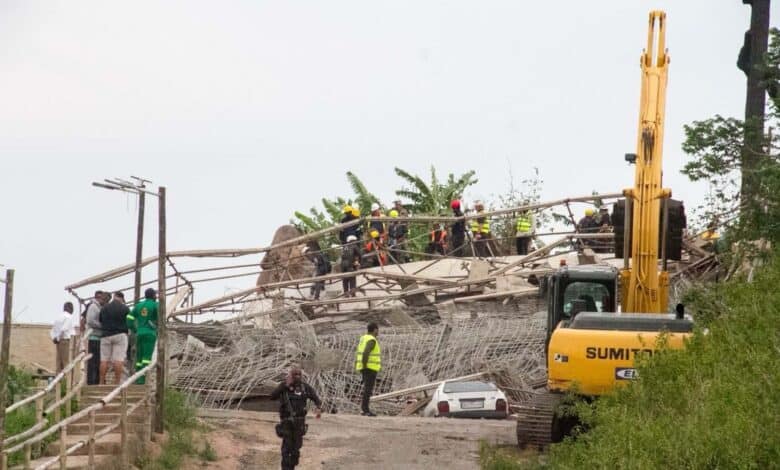
The Temple Collapse in Verulam, KwaZulu-Natal, has prompted a thorough investigation into the building’s structural integrity and safety compliance. Authorities are examining potential causes, including construction faults, maintenance issues, and regulatory lapses. The inquiry aims to establish accountability, prevent future incidents, and reinforce building safety standards. Engineers, municipal officials, and disaster management teams are coordinating to ensure a detailed and authoritative analysis of the tragedy.
Scope of the Investigation
Officials are focusing on:
- Structural stability and engineering flaws
- Compliance with municipal permits and building codes
- Responsibility of contractors and building owners
- Measures to prevent similar incidents in the region
Investigators are analyzing architectural plans, materials used, and debris to determine the exact factors leading to the Temple Collapse.
Statements from Authorities
A KZN Provincial Government spokesperson said:
“Our priority is a detailed investigation to uncover why the Temple Collapse occurred and to ensure safety and accountability are upheld.”
The National Disaster Management Centre is supporting the investigation, coordinating with local authorities to provide technical and logistical assistance.
Possible Causes Being Examined
Preliminary findings in the Temple Collapse inquiry include:
- Substandard or faulty construction materials
- Overcrowding or exceeding design capacity
- Poor maintenance or ignored safety warnings
- Lapses in municipal inspections or permit enforcement
Experts caution that a full forensic and structural review is essential to determine the exact cause.
Public and Community Response
The Temple Collapse has caused widespread concern among residents, particularly regarding the safety of religious and public structures. Community leaders are calling for stricter enforcement of building codes and more frequent inspections.
“We gather in these buildings for worship and events; safety cannot be compromised,” said a local community representative.
Impact on Policy and Safety Regulations
Authorities indicate the investigation may lead to:
- Stricter enforcement of building codes in KwaZulu-Natal
- Mandatory inspections for older and high-risk buildings
- Legal action if negligence is found
- Enhanced disaster preparedness protocols
Analysts note that such measures could prevent future tragedies and restore public trust in regulatory oversight.
Next Steps in the Investigation
- Structural and forensic analysis by expert engineers
- Interviews with building owners, contractors, and witnesses
- Coordination with legal authorities to determine liability
- Public report once findings are confirmed
Authorities urge caution against speculation until all evidence is reviewed.
Importance of the Investigation
The Temple Collapse investigation is crucial for:
- Accountability: Identifying and holding responsible parties liable
- Safety: Ensuring similar buildings comply with standards
- Public Confidence: Reassuring the community about building oversight
This investigation sets a precedent for rigorous enforcement of construction standards and disaster prevention measures.
Conclusion
The Temple Collapse in Verulam is under meticulous investigation to uncover causes, enforce accountability, and improve safety standards. Authorities aim to prevent future incidents while maintaining public trust. Findings from this inquiry will have significant implications for building regulations, municipal inspections, and overall disaster preparedness in the region.